Skip to content

Dark billionaire romance is not a monolith. If your only exposure to the trope is a mildly grumpy CEO with a penthouse and a praise kink (or worse, Fifty Shades Of Grey which, to be clear, is not dark romance), we are not talking about the same thing.
At its best, dark billionaire romance uses wealth the way it’s meant to be used in this genre: as leverage. Money here is insulation from consequence. It’s a cold, hard, impenetrable mechanism for control that mutates desire from something safe or aspirational into something dangerous and intoxicating.
These are not stories about being swept off your feet. They’re stories about being cornered, claimed, and forced to reckon with what you want when power is radically uneven.
Oh, they’ll make you swoon. But in the same way edging gets you off.
Frustratingly. Painfully. Then suddenly, overwhelmingly, in a rush of intensity.
If you like your dark romance sharp-edged, psychologically uncomfortable, and unapologetic about the damage being done, you’re in the right place.
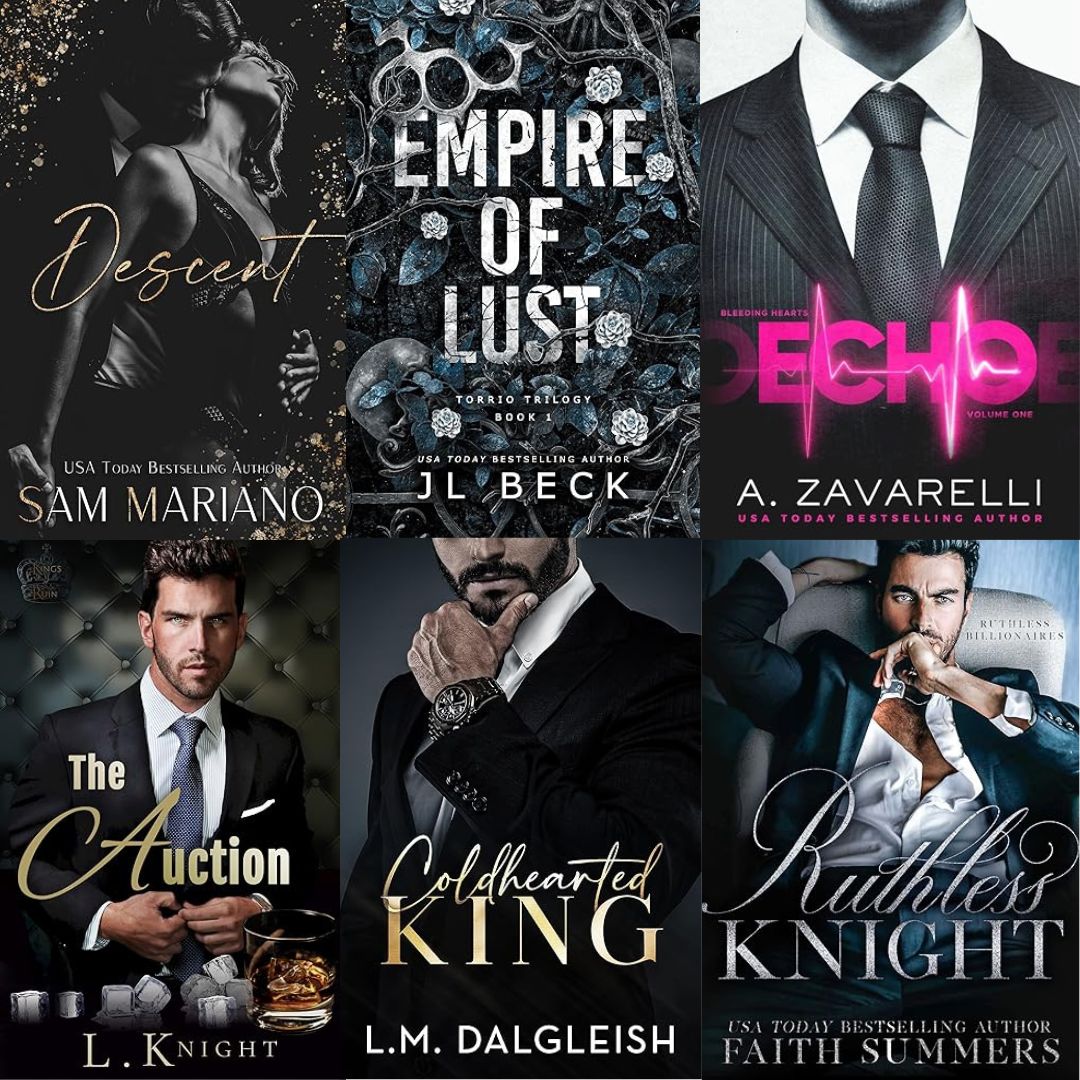
Quick Look: Best Dark Billionaire Romance Books
- Descent by Sam Mariano
- His Gift by Aubrey Dark
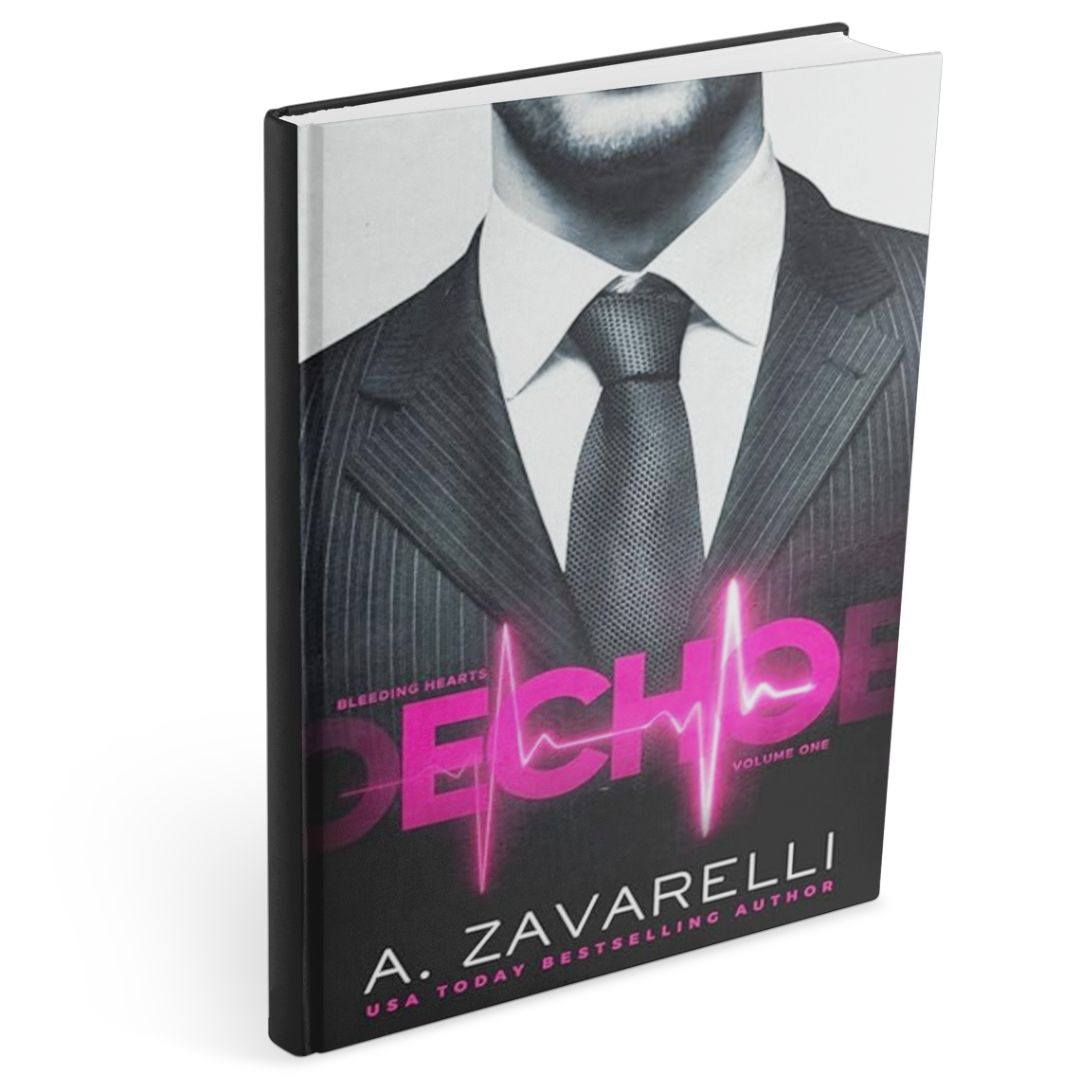
- Echo by A. Zavarelli
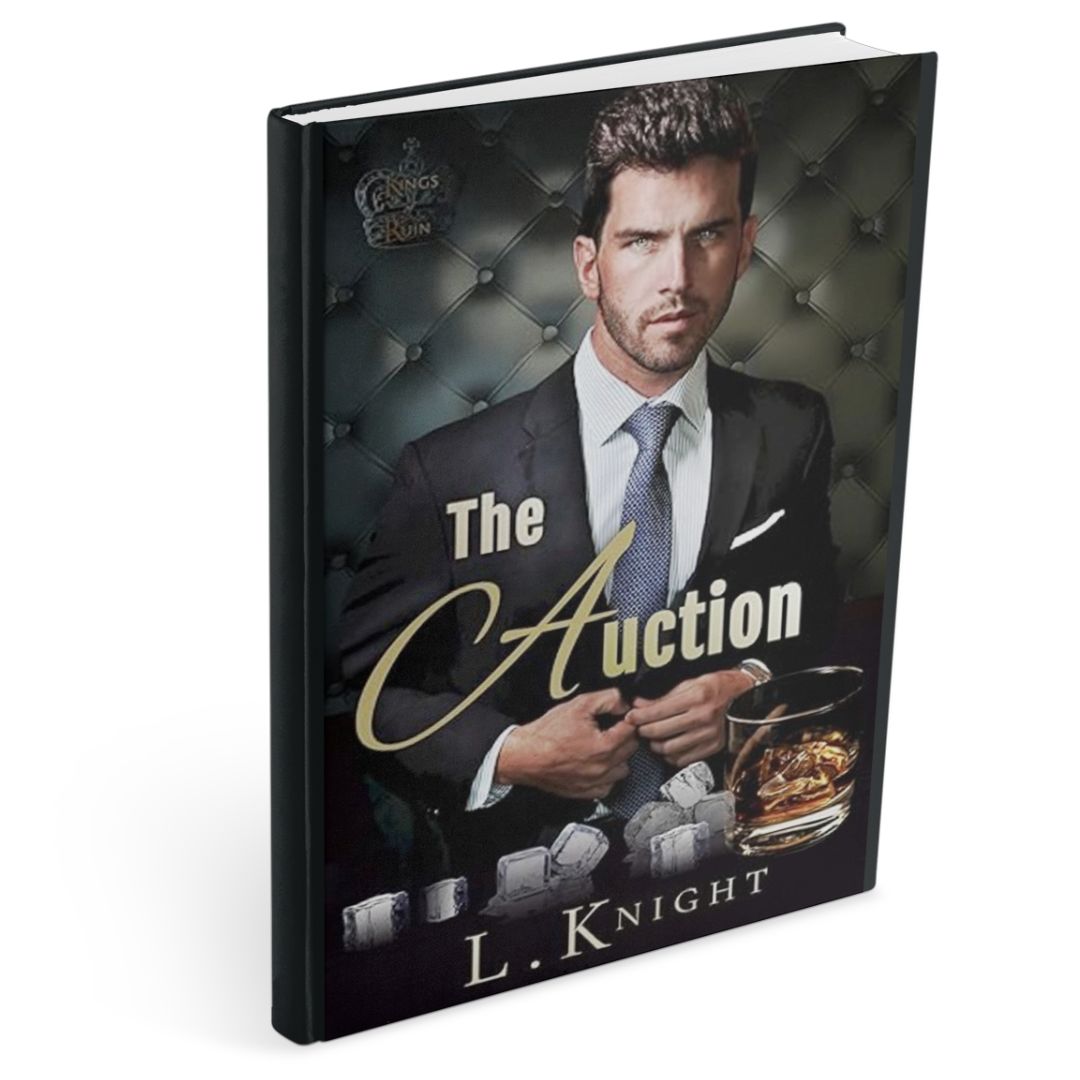
- The Auction by L. Knight
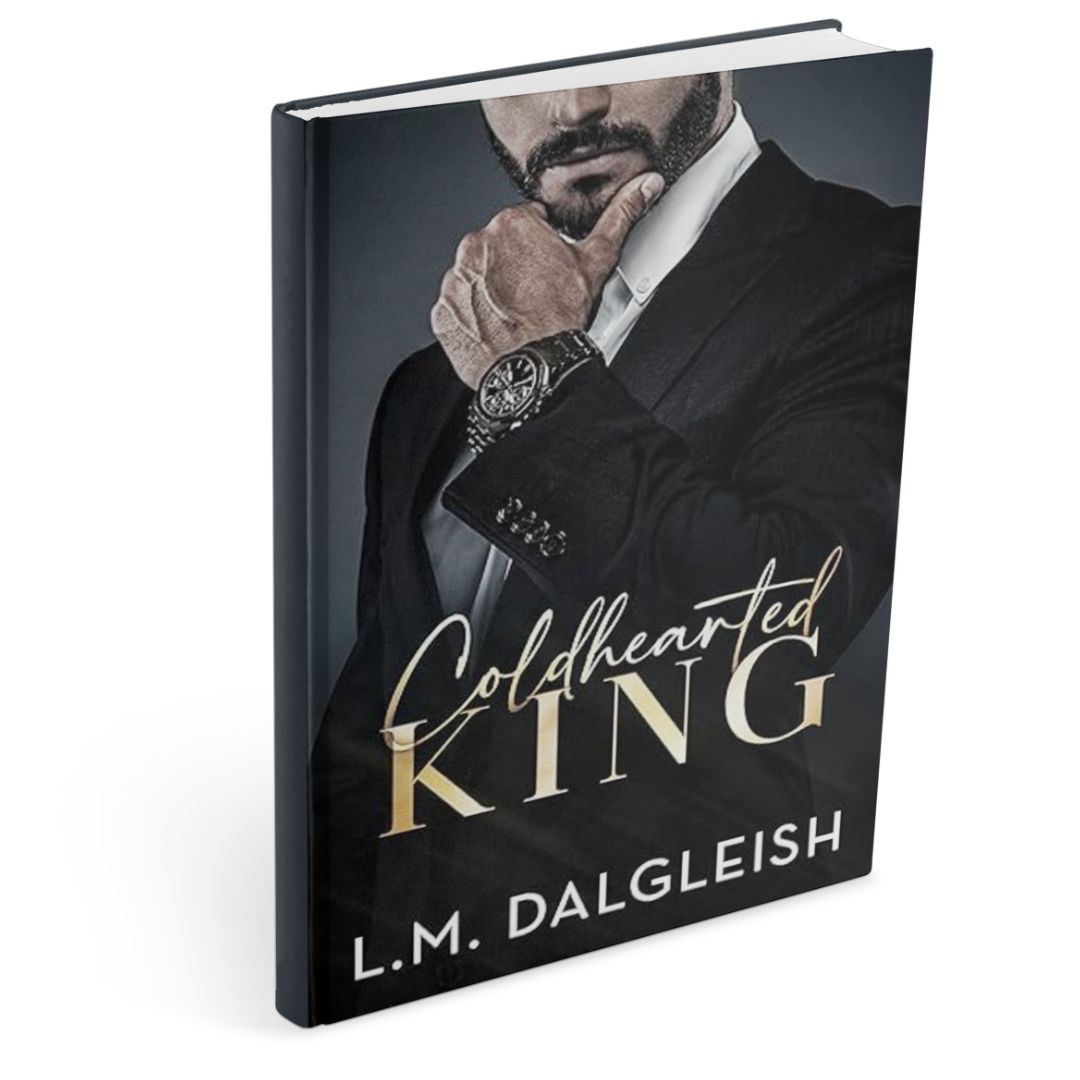
- Coldhearted King by L.M. Dalgleish
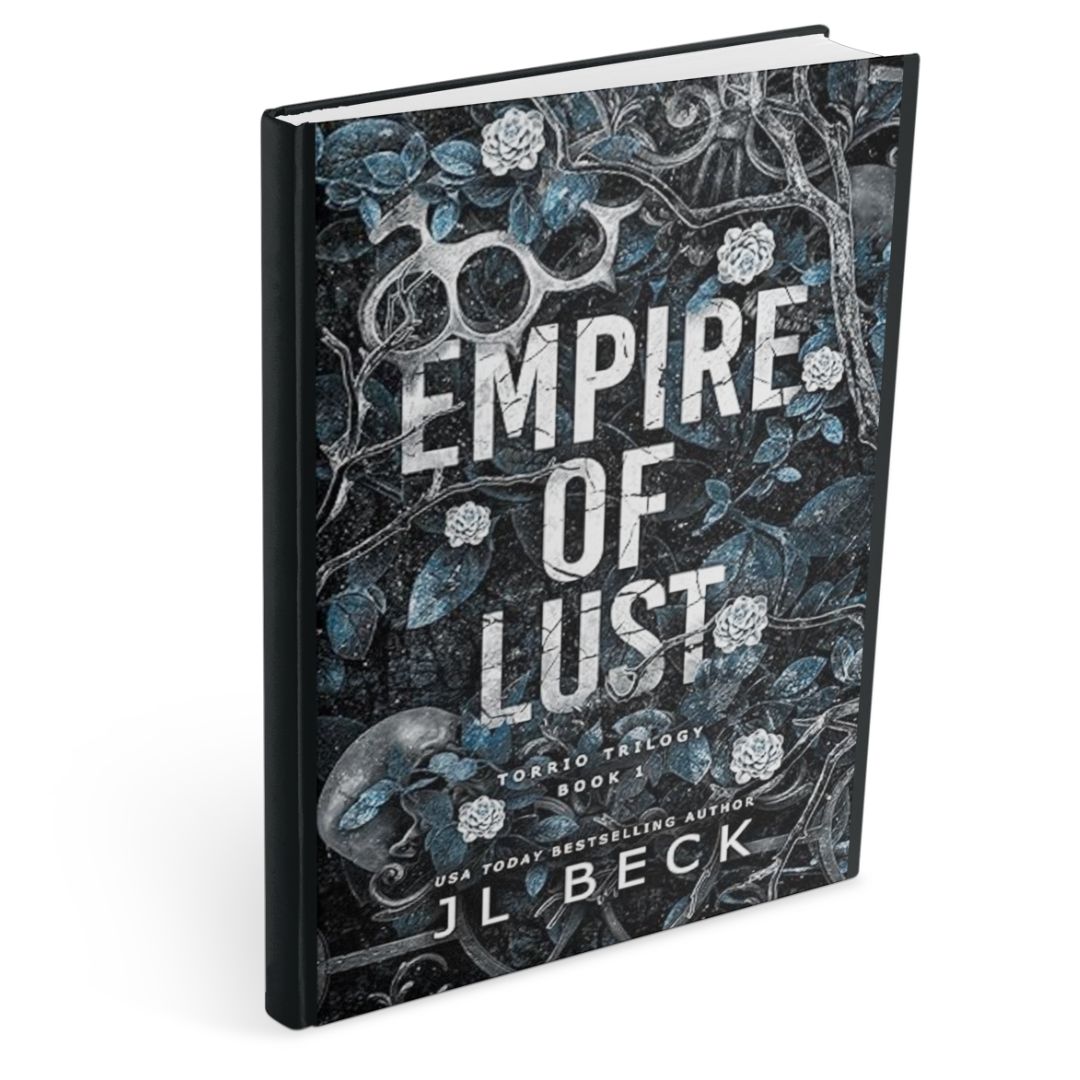
- Empire of Lust by J.L. Beck
- Ruthless Knight by Faith Summers

Descent by Sam Mariano
Descent drops you straight into Sam Mariano territory. There’s no gentle onboarding, and absolutely no moral hand-holding. Calder is rich, powerful, emotionally vacant, and clearly does not experience guilt the way other people do.
Olivia is younger, softer, sweeter. Initially operating under the dangerous illusion (or should that be delusion) that proximity to Calder might mean protection rather than possession.
The world itself is contemporary and recognisable, which somehow makes everything worse.
There’s no secret society or gothic estate cushioning the blow. This is real-world money, real-world leverage, and a man who treats control like a birthright.
What makes Descent such a standout, and why it’s constantly name-dropped in dark romance forums with a kind of reverent warning tone, is that Calder is not misunderstood.
He’s not secretly noble.
He is not waiting for the right woman to teach him empathy.
This book is powerful because Sam Mariano refused to sand his edges. Calder doesn’t arc toward redemption so much as fixation. That is the axis on which the romance is crafted.
It’s the kind of book that forces a reaction. You either bounce off it immediately or sink into it uncomfortably deep. If you’re anything like me, you’ll do a bit of both. And you won’t be even slightly sorry about it
Descent is one of those dark romance novels that exposes exactly where your dark romance line is. If you need your MMC to feel remorse, offer redemption, or evolve into a better man by the end, this book is the point where the illusion shatters and you’re forced to ask yourself if you’re comfortable with a truly villainous love interest.
Or if, on reflection, you like your men morally grey, but need them to have some redeeming quality.
Neither is wrong. It’s personal preference. But you’ll walk away from Descent with a very clear idea (if you don’t know already) of how dark you like your morally grey men to get.
For me, the pure villainy was exactly why Descent works. This is a novel that understands dark romance isn’t about excusing bad behaviour, but interrogating desire. The tension comes from watching how far the FMC can bend without breaking, and how the MMC’s obsession reshapes the power dynamic without ever becoming healthy or safe.
Descent makes a lot of lighter dark romance feel oddly toothless by comparison (it’s one of the reasons I view Lights Out as Dark Romance Lite). And it’s one of those stories that sticks in your head long after you’re done with it, whether you want it to or not.
It’s not comfortable. It’s not swoony in a traditional sense. But it is brutally honest about what darkness actually looks like when money, entitlement, and fixation collide, and Sam Mariano commits to that vision without blinking.
And if it turns out you really do like your men dark, and not just grey, it will make you swoon.
Hard.
His Gift by Aubrey Dark
His Gift makes its intentions clear in the opening pages. And I’m so here for it.
This is wealth as weaponry. The billionaire vibes are not a glossy backdrop. Lacey Miller does not stumble into a glamorous world through destiny or charm. She walks into the wrong door with a cake, and finds she’s crossed a line she cannot walk back over.
That blunt setup sets the tone. You are not eased into this story. You are pushed straight into a power dynamic that is already locked into place.
Jake Carville is not a tortured rich man waiting to be softened by the right woman.

He is dominant, controlling, and deeply comfortable with imbalance. The luxury is relentless. Penthouses, contracts, collars, private spaces designed to isolate as much as impress.
Aubrey Dark understands that money in dark romance is not about aesthetic fantasy. It is leverage. Jake does not threaten Lacey. He doesn’t need to.
He simply decides.
What makes His Gift the standout of this series for me is how unapologetic it is about that imbalance. There is no coy pretending that the Lacey has any kind of equal footing. There is no rush to frame this as mutually empowering. The control exists before emotional intimacy ever does, and that is intentional.
Desire grows from fear, not safety. The tension lives in the place where fascination and unease coexist.
This is not a billionaire romance with a little darkness thrown in for extra shock value or spice. I’ve said repeatedly that when it comes to exceptional dark romance an author needs to understand that darkness is structure in this genre, it’s scaffolding, not décor.
Contracts matter. Ownership matters. The inability to simply walk away matters. Aubrey Dark has fully committed to the idea that extreme wealth creates extreme vulnerability, and she never lets the story forget it.
That commitment is exactly why His Gift works. It does not try to justify the power imbalance or redeem it. It explores it. If you want dark billionaire romance where money functions as a trap rather than a fantasy escape, where dominance is the foundation rather than a kink-flavoured add-on, this is the book that actually delivers on that promise.
Echo by A. Zavarelli
I love the title of this one. It’s oddly haunting. But if you’re expecting Echo to be some bleeding hearts dark romance with beautiful euphemisms and soft landings, you’re in the wrong place.
This book absolutely nails psychological control, manipulation, blackmail, and the kind of obsession that feels like a slow, deliberate tightening of the throat. Sure, it will make your heart bleed, but in the rawest, most uncomfortable way possible.
The dynamic here isn’t just tense, it’s morally destabilising.
The setup yanks you into an impossible gamble. Brighton’s brother is wrongfully imprisoned. A stranger holds the key to his freedom. But in order to free her brother, Brighton must sign over six months of her life and body to him.
Ryland.
That choice isn’t romantic. It’s coercion in its purest form, and it frames the entire story around leverage, not flirtation.
The billionaire trope is present, but this isn’t billionaire glam for its own sake. The wealth gives him the means to corner her, and that’s where all the psychological tension lives.
Ryland is cold, detached, and terrifyingly sure of his own narrative. He doesn’t ask for Brighton’s compliance. He demands it via exploitation of her situation, a contract, and the weight of consequences she literally cannot afford to ignore.
Observing how desire grows in that pressure cooker is uncomfortable. Unsettling. Weirdly fascinating, because the story never hides from the ugliness.
The line between coercion and consent is intentionally blurred. It forces you to reckon with why you are rooting for this connection in the first place.
The psychological intensity isn’t cosmetic. The book feels claustrophobic because Brighton is trapped. Not just by circumstance but by the machinations of a protagonist whose obsession feels engineered, not incidental.
The billionaire here isn’t a side character who happens to have money. The money is Ryland’s power. That power creates an emotional gravity well that drags Brighton into him.
There is no easy resolution. No immediate safety net for Brighton to cling to. The tension is weave-and-weft with manipulation, control, and the moral discomfort of watching a woman make impossible choices under unendurable pressure.
That is why Echo resonates. This is a dark billionaire romance with true psychological complexity as well as spicy scenes.
It’s not comfortable. But we don’t want it to be. If you want billionaire fantasy that also interrogates the ethics of desire under duress, Echo delivers without flinching.
The Auction by L. Knight
Let me be very clear. This is not a light little “Oh, I’ll sell myself for a data at auction to raise some money for charity, oopsie, this turned into a RomCom!” situation.
The Auction leans all the way into what that premise actually means. Truly.
We are in Kings of Ruin territory. And Lincoln Coldwell lives up to the name. A billionaire CEO and co-owner of an exclusive club where bodies are currency and privacy is a luxury.
Ten years ago he was the golden boy in Lottie’s story. First love. Forever promises. Then he shattered her and she ran.
Now she’s neck-deep in debt, desperate to protect the one person who matters most, and out of options. Her last, worst solution is to sell the only thing she has left at a high-end auction.
Her virginity.
In his club.
And of course he’s there.
And of course he refuses to let anyone else touch what he still considers his.
Lincoln does not swoop in as a selfless saviour. He outbids everyone and offers her a different kind of cage. A marriage of convenience.
One year of her life, in his house, in his bed, with a contract that looks like salvation.
On paper.
In practice it feels very much like ownership.
Because it is.
The boy who once played hero is now the villain holding every card.
This is where The Auction really earns its dark label for me. The auction dynamics are not a cute plot hook. They are the foundation of the power structure. Lottie walks into that room fully aware she is about to be sold.
Lincoln walks in fully prepared to buy her.
The imbalance is absolute. He has wealth, status, and control over the setting. She has debt, responsibility, and one brutal choice. Everything that follows is shaped by that gap.
Lincoln is arrogant, cold, and utterly convinced that what he is doing is justified because it keeps her ‘safe’. That is the exact flavour of morally grey I enjoy in dark billionaire romance. He saves her by trapping her. Buying her out of one nightmare plunges her straight into another.
It just happens to come with a mansion and a ring.
You are not allowed to forget that her sacrifice is survival, not fantasy.
The forced proximity is viciously effective. They are stuck together in a marriage that is part legal contract, part emotional minefield, part unresolved first love. It is enemies to lovers layered over second chance and marriage of convenience, but the tropes are wired for maximum tension, not comfort.
For me, the reason The Auction hits as hard as it does is simple. It treats ownership, sacrifice, and power imbalance as the spine of the story, not spice sprinkled on top. The club, the bidding, the contract, the ring, the vows. Every piece is a core building block that creates a structured whole.
If you want a dark billionaire romance where the hero is both lifeline and captor, where the word “Mine” is equal parts protection and threat, this is exactly that book.
Fair warning though, you’ll either want to yeet your Kindle across the room, or highlight every unhinged line.
Possibly both.
Coldhearted King by L.M. Dalgleish
Coldhearted King is what happens when you take the classic billionaire workplace setup and inject it with emotional teeth. By which I mean fangs.
On paper, it sounds familiar.
Delilah has a one-night stand with a gorgeous stranger in a bar, hands over her V-card, and walks away convinced she will never see him again.
Fast forward and there he is, sat at the head of the boardroom table as her firm pitches for a huge hotel project.
Cole King. Billionaire COO.
Her new client. Her new boss.
The same man who had her against the wall a few chapters ago.
From that point on, the title unsubtle. Cole is cold. Ruthlessly so. In business he is ice. In bed he is fire. And not the molten kind that softens at the edges, but the razor sharp, flaming sword type.
Emotionally Cole is a locked vault. Every time it feels like he might crack, he weaponises the fault line. This is where the darkness in Coldhearted King lives for me. Cole’s cruelty is not random.
It’s trauma-driven.
There is history under the surface that explains the way he cuts. But Dalgleish makes a very deliberate choice to let him hurt Delilah long before he ever considers healing himself.
Delilah, crucially, is not a doormat.
She is competent. Good at her job. Very aware that mixing business and sex with the man holding the contract is a terrible idea.
She does it anyway.
Because desire, in this book, is messy.
The friends-with-benefits arrangement he pushes, the secret relationship, the constant push-pull in the office, all of it’s designed to keep her off balance. It is praise kink and punishment, wrapped up in one man with too much money and far too much control over her career.
What I like about Coldhearted King is that it is dark without switching fully into erotica-first territory. The spice is heavy, explicit, and frequent, but the real brutality is emotional.
Cole sabotages, withdraws, lashes out, and uses his power to draw lines that only he is allowed to cross. There is cheating-adjacent mess, other people in their orbit, and a very real sense that Delilah is signing up to be hurt by a man who does not know how to love without breaking things first.
This is not the kind of billionaire romance where the MMC is secretly a marshmallow under all that money. He is genuinely difficult to like for long stretches of the story.
That’s the point.
The arc hinges on whether he can stop using his trauma as an excuse to be cruel, and whether Delilah will walk away if he cannot. When the grovel comes, it needs to be good, because he has a lot to answer for.
If you want a dark-leaning billionaire romance that feels grounded in real-world stakes, with an MMC who is emotionally brutal rather than physically monstrous, Coldhearted King scratches that itch. It is grumpy and sunshine, boss and employee, enemies to lovers, all filtered through one central question: how much damage are you willing to forgive when the man hurting you is also everything you want.
Empire of Lust by J.L. Beck
Empire of Lust is the result of an author understanding that ‘ruthless billionaire’ does not mean ‘mildly grumpy in a suit’. This is a dark mafia romance, seasoned with an age gap (courtesy of the best-friend’s-dad trope), and it leans hard into the taboo. It’s not flirting with these tropes from a safe distance.
It’s balls deep.
Bianca is sixteen when she makes her first mistake. She falls for the wrong man.
Callum Torrio.
Ruthless billionaire.
Dangerous villain.
Her best friend’s father.
He is twenty years older, an arms dealer for the mob, and very much the last person she should imprint on. Don’t worry this isn’t weird underage territory, we skip ahead, and by twenty-one she has done the sensible thing and tried to move on.
He is dangerous. Untouchable. Clearly not interested.
Except, of course, he is.
Just not in any way that could be described as healthy.
What I like about Empire of Lust is that it does not pretend this setup is anything less than morally feral.
You have an obscene power imbalance from page one. Callum is rich, connected, violent when required. She is younger, comparatively powerless, and tangled up in his world long before she truly understands the cost.
Her desire for him is inappropriate and intense.
His desire for her is possessive and absolutely not softened for your comfort.
Callum is not a good but tortured man in a bad world.
He is the bad world.
He is the one making the calls, moving the pieces, deciding who bleeds. The domination here is explicit, both in and out of the bedroom. He controls space, information, and options. When he decides Bianca is his, that choice feels less like a confession of love and more like a death sentence.
Crucially though, Bianca is not helpless. She pushes back, argues, makes choices that are messy and human. Despite that, the reality is clear.
She is playing in a game he built, with rules he wrote, and repercussions only he has the muscle to survive. That is pure moral compromise.
If you want to be with the king of an empire like this, you have to get dirty.
Empire of Lust is dark without bothering to posture about it. The spice is heavy and filthy, but the filth comes with real danger, real crime, real consequences. There is violence. There is coercive power. There are choices that feel wrong whichever way you turn them.
It ends on a cliffhanger. Because, of course it does.
This is the first book in a trilogy and Callum Torrio is not the kind of man you resolve neatly in one volume.
If you want a dark billionaire romance where the MMC is villainous rather than a misunderstood teddy bear, and the love interest starts out feeling like she should be cuddling a teddy bear, Empire of Lust delivers.
Age gap, mafia, best friend’s dad, explicit domination, and a heroine who walks into the fire with her eyes half open.
It is not clean. It is not safe.
That is the point.
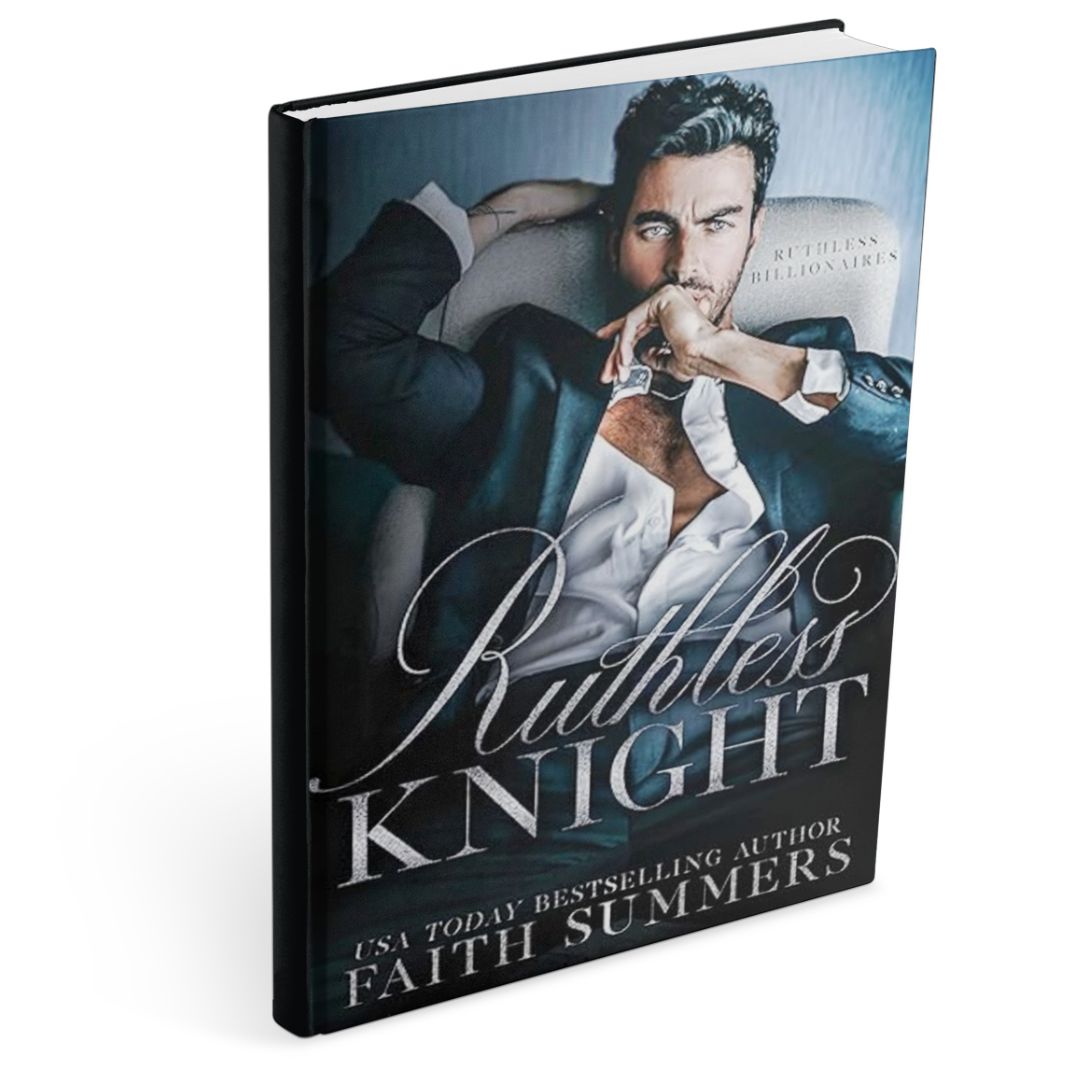
Ruthless Knight by Faith Summers
Someone, at some point, used the phrase ‘Hades-coded billionaire romance’ in the vicinity of Faith Summers and she took that as a personal challenge. This is not a loose vibe. Knight Grayson is explicitly built as Hades in a tailored suit.
Aurora Wright is the unfortunate Persephone-adjacent heroine who wanders into his orbit.
She thinks she’s about to have one rebellious little night.
She is not.
Aurora’s life is already on fire when she meets Knight.
She’s juggling family pressure, an almost-fiancé, and the slow implosion of her own future when one reckless, (very) sexy encounter with a stranger at a bar tips the first domino.
That stranger, naturally, is Knight Grayson.
New York elite. Billionaire. Beautiful devil.
The kind of man you should never make eye contact with if you want your life to stay boring.
Knight is not content with a single night. Or a single kiss. He’s a strategist. A man of legacy, power, and unflinching entitlement.
He doesn’t stumble back into Aurora’s life by coincidence.
He drags her into his world on purpose. When he realises she is the one person standing between him and the inheritance he needs to cement his empire, he does exactly what a Hades-coded billionaire should do.
He weaponises the situation.
This is not a love match. It is an acquisition.
Aurora becomes a pawn in a game of power long before she becomes a love interest. Knight needs her inheritance to secure his legacy. The only way to get it is to marry her. So he applies pressure where it hurts most.
Her father’s debts. Her sense of responsibility. The future she is trying desperately to hold together.
Six months of marriage, her inheritance in his hands, and those debts magically disappear.
On paper.
In reality, she is signing a contract with a man who is very upfront about the fact that he will get what he wants.
Including her.
This is where the Hades coding really works for me. Knight does not pretend Aurora is his equal. He does not pretend she has real freedom. He snatches her from her almost-fiancé, rearranges her life overnight, and plants her firmly in his underworld of boardrooms, backroom deals, and generational power plays.
She is the light he wants to keep, but he is absolutely willing to set her on fire to do it.
The marriage itself is deliciously messy. Technically it is fake to everyone else. A deal. A contract. A solution. Public kisses that are supposed to be for show, except they are not. Six months of forced proximity, shared space, and a man who keeps insisting she is just a means to an end while treating her like an obsession.
The ‘she’s just business’ façade crumbles fast.
What is left is pure possessiveness.
Knight is not easy to like. He’s not supposed to be.
He is cunning, ruthless, and extremely comfortable using people as pieces on a chessboard. He lies by omission, manipulates circumstances, and plays a very long game with Aurora’s life. When he calls her “Mine” it is not sweet.
The romance thrives on the push-pull of a man who wants both power and her, and has not quite realised that he cannot keep them separate forever.
Aurora is not a helpless little lamb in all this, which I appreciate. She is flawed, emotional, reactive, sometimes a little reckless. She doesn’t just lie down and accept her fate. She questions him. She fights. She makes terrible decisions for very human reasons, and you feel the strain of watching someone try to hold on to their own morals while tied to a man who has absolutely none.
Ruthless Knight is dark in an insidious sort of way. Not because of graphic violence or endless shock value. But because the entire relationship is built on coercive structure. Knight’s power over Aurora is legal, financial, emotional, and social. The contract. The debts. The public image. The fact that he always has more information than she does.
The Hades and Persephone inspiration isn’t literal (you’d need dark fantasy romance for that), but it is architectural.
This book understands that mythic power dynamics only work if the god in the suit actually behaves like one.
Knight does.
He steals her life, rewrites her story, locks her into a bargain she cannot afford to refuse, then slowly becomes the only person she can lean on inside the mess he forced her into. It is twisted. It is morally compromised.
It is exactly what you sign up for with this kind of premise.
Why We Love Dark Billionaire Romance Books
Billionaire power hits different because it is not about strength, it is about structure. Physical threat is obvious. Money is slippery. A billionaire can turn ‘choice’ into a funnel and then stand back and call it free will.
The deal looks voluntary because no one is holding a weapon.
They are holding the rent, the job, the lawyer, the NDA, the immigration status, the medical bill, the entire scaffolding of a life. That is why contracts hit so hard in this corner of the genre. They are socially acceptable chains.
It is also power that feels legitimate.
A captor is a criminal.
A billionaire is a visionary, an employer, a benefactor.
That legitimacy gives him cover. He can do brutal things in a suit and be applauded for it. This is darkness operating in daylight. Other types of dark romance lean on obvious danger. Billionaire dark romance leans on institutions. Wealth, class, reputation, employment, law, access. It is not “I can overpower you.” It is “I can rewrite the world you have to live in.”
The worst part (and the best part) is how recognisable that feels.
Monsters are fantasy.
Money is Tuesday.
Even if you have never met a billionaire, you have met hierarchy. You know how life shifts when someone has resources you lack. How basic politeness turns into quiet compliance. That familiarity lets you lean into the fantasy while your brain hums with the awful knowledge that this is not as far from real life as it should be.
Dark romance in general lets us explore imbalance, but the billionaire corner lets us look directly at an imbalance that is not physical but social.
That is the real hook.
These stories take the most ordinary, culturally normalised power gap we have, money and status, and turn it into erotic structure.
Not he’s stronger than me. Not even he’s dangerous. But he can rearrange the world to his design, and nobody will question it. And there is something brutally compelling about desire surviving, even thriving, inside that kind of polished, institutionalised unfairness.
About a lover who has the money, the power, the influence and will wield it to shape the world for you, without you ever having to become the thing all that money mutated him into.












 4.28 Average