Skip to content

There are two kinds of escapism.
The wholesome kind where everyone drinks cocoa and solves gentle Whodunits.
And the kind I’m here for: dark fantasy romance where the world is cruel, the magic bites back, the love interest is a walking red flag… and somehow the romance still lands so hard it leaves an emotional dent in the sofa.
These picks are adult, fantasy-forward, and romance-led. I’m not talking “there’s a kiss in chapter 42”. I’m talking the romance is the engine, and the darkness is the fuel.
Check you trigger warnings on these, people, you have been warned. This isn’t a list of Romantasy novels you can swoon over. If you want that, you need this post instead. Not that there isn’t plenty of swoon here, there is.
But it comes with an edge. And in some cases, actual edging.
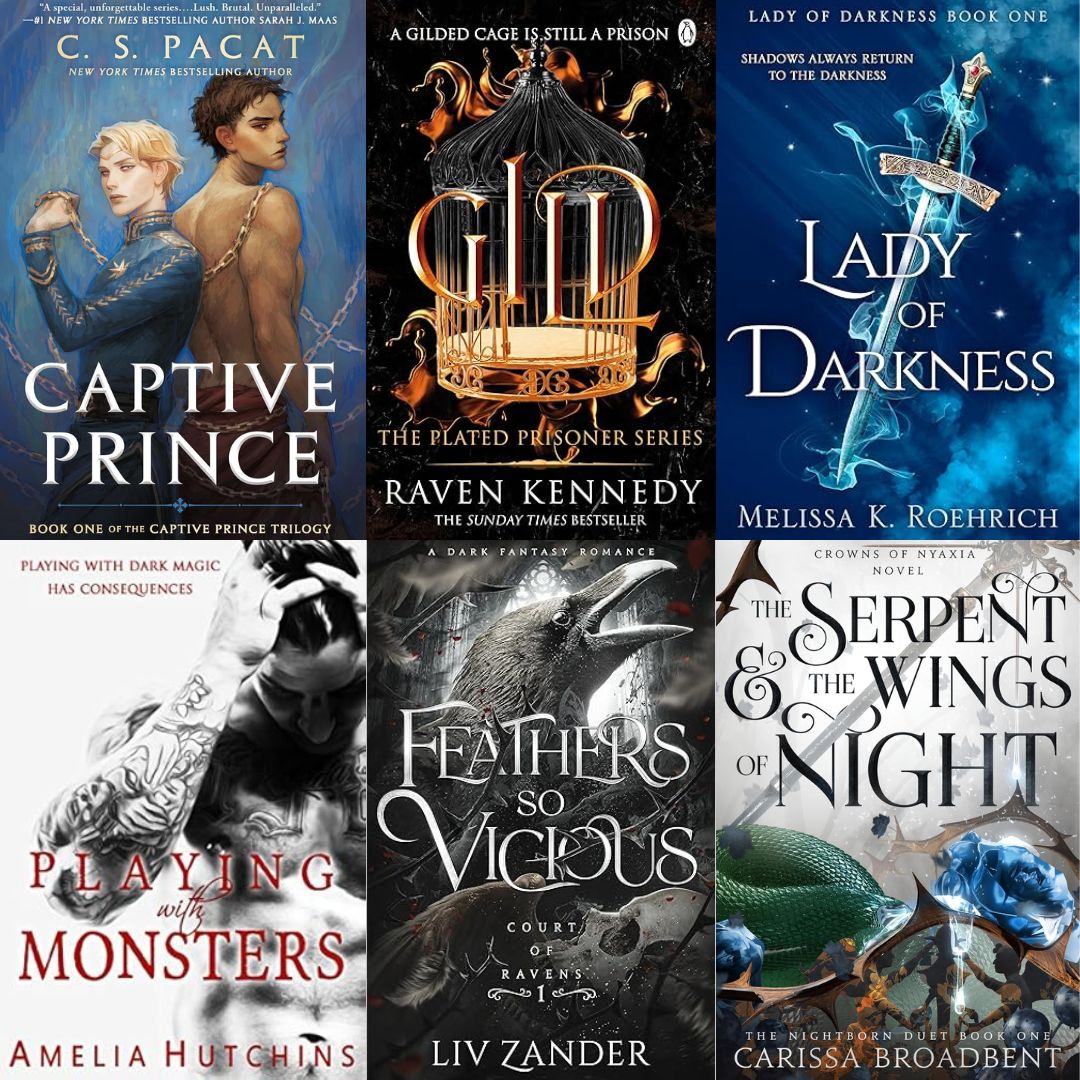
Quick Look: Best Dark Fantasy Romance Books
- Captive Prince by C.S. Pacat
- Gild by Raven Kennedy
- Lady Of Darkness by Melissa K. Roehrich
- Playing With Monsters by Amelia Hutchins
- Feathers So Vicious by Liv Zander
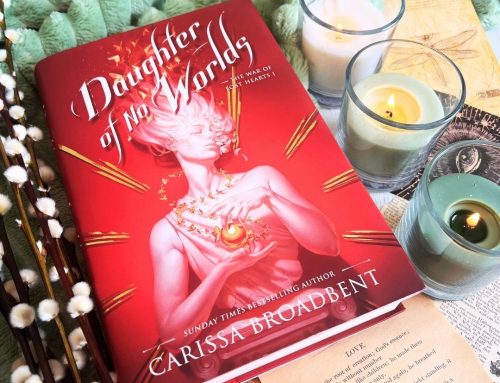
- The Serpent And The Wings Of Night by Carissa Broadbent
- King Of Flesh And Bone by Liv Zander
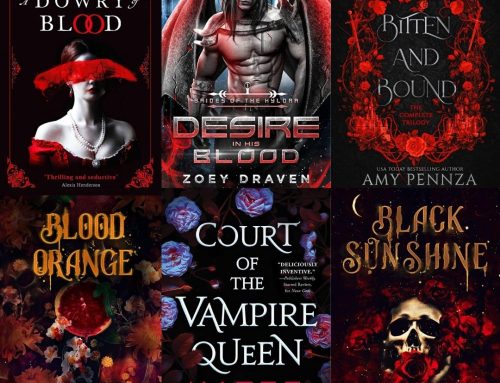
- Bitten Bound Trilogy by Amy Penzza
- The Unseelie Prince by Kathryn Ann Kingsley
- Daughter Of The Blood by Anne Bishop
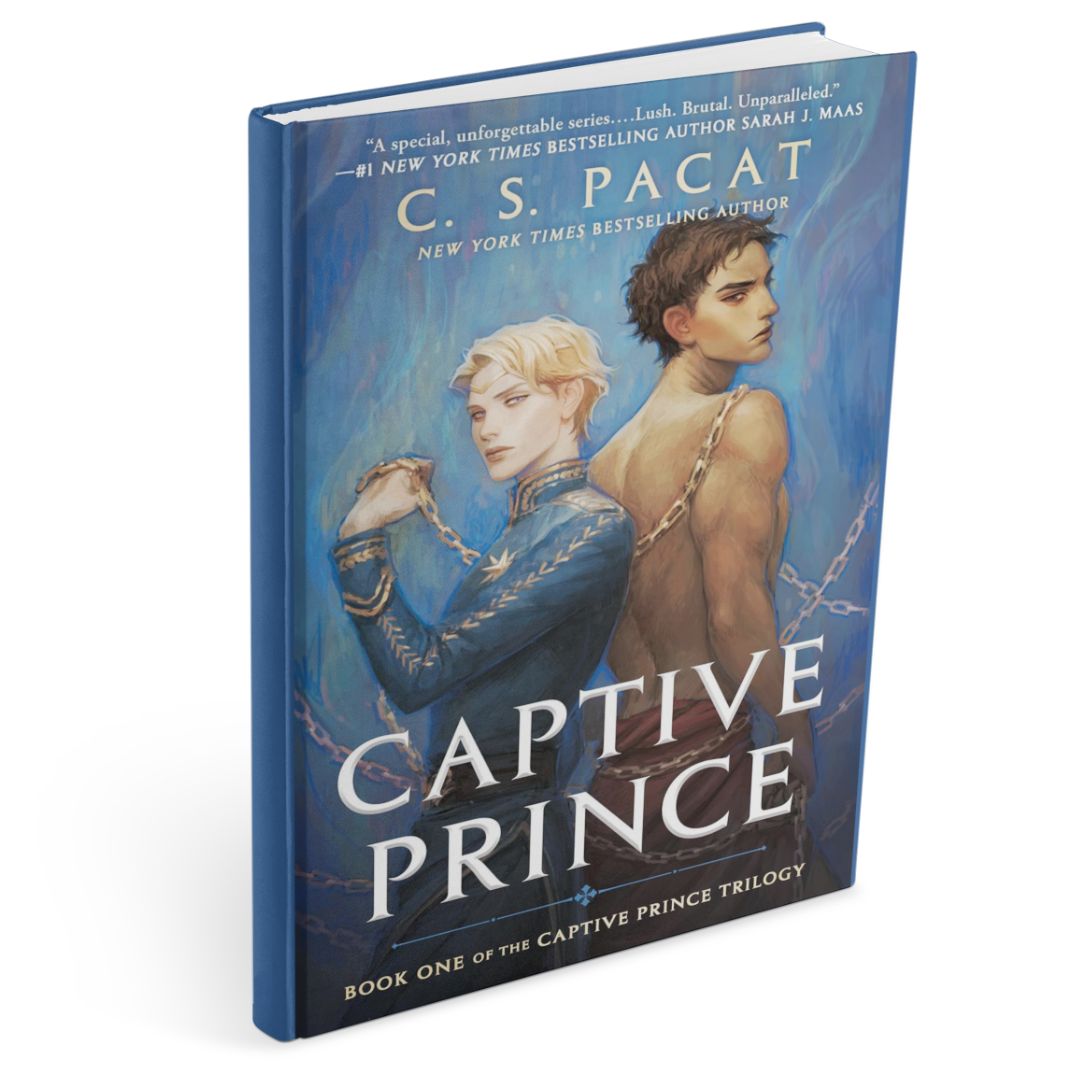
Captive Prince by C.S. Pacat
In Captive Prince, C.S. Pacat throws you into a brutal, low-fantasy world where empires are built on conquest, slavery, and weaponised etiquette. Akielos is a sun-drenched warrior kingdom; Vere is its elegant, poisonous rival, all silk, wine, and smiling knives.
When Damianos, golden boy and rightful heir of Akielos, is betrayed by his half-brother, he finds himself on Veretian soil, stripped of his name and shipped off as a ‘gift’ to the enemy court.
His new owner is Prince Laurent: ice-blond, sharp-tongued, and so ruthlessly controlled he might as well be another blade in Vere’s arsenal.
Damen knows that if Laurent ever discovers he’s the prince who killed Laurent’s beloved brother on the battlefield, he’s dead. What follows is a captivity story knotted into a political chess match, where every touch, insult, and alliance is loaded.
This trilogy is the reason the enemies to lovers trope sometimes needs a seatbelt.
If you’ve been circling Captive Prince for years because you’ve heard it’s intense, then yes.
It’s intense.
But the intensity isn’t decorative.
It’s structural: captivity, political cruelty, and a relationship dynamic that starts in a place so antagonistic you’ll wonder how Pacat can possibly earn the romance.
And then… she does.
This series absolutely wrecked me. I finished it and went straight into a post-book spiral: rereading passages, hunting down fan art, generally behaving like an unhinged addict, emotionally completely unprepared for it to end.
What makes it escapist, weirdly, is the precision.
The court politics are razor-sharp, the character work is meticulous, and the slow-burn romance never softens the brutality. It just leans in.
And it is a slow burn. If you’re after immediate high spice, look further down the list. This one, isn’t that — at least not in a romantic spice sense. There is sexual content and violence (again, check your trigger warnings), but the romance is so slow burn it doesn’t even appear in the first book.
I did not finish this series thinking “Oh, how romantic!”
I finished it wondering how the hell it held together without collapsing under its own weight.
But it did. It so did.
If you like your romance dangerous, political, and devastatingly intimate, Captive Prince is a top-tier pick.
Gild (The Plated Prisoner #1) by Raven Kennedy
Welcome to your new toxic comfort read.
Set in a mythic kingdom ruled by excess and spectacle, Gild follows Auren, a woman kept in luxurious captivity as the favoured possession of King Midas. She lives in a palace designed to dazzle, confined to a gilded cage and taught to believe that her isolation is devotion, her obedience love.
The world around her is brutal, political, and soaked in myth, where power is displayed through control and cruelty rather than crowns.
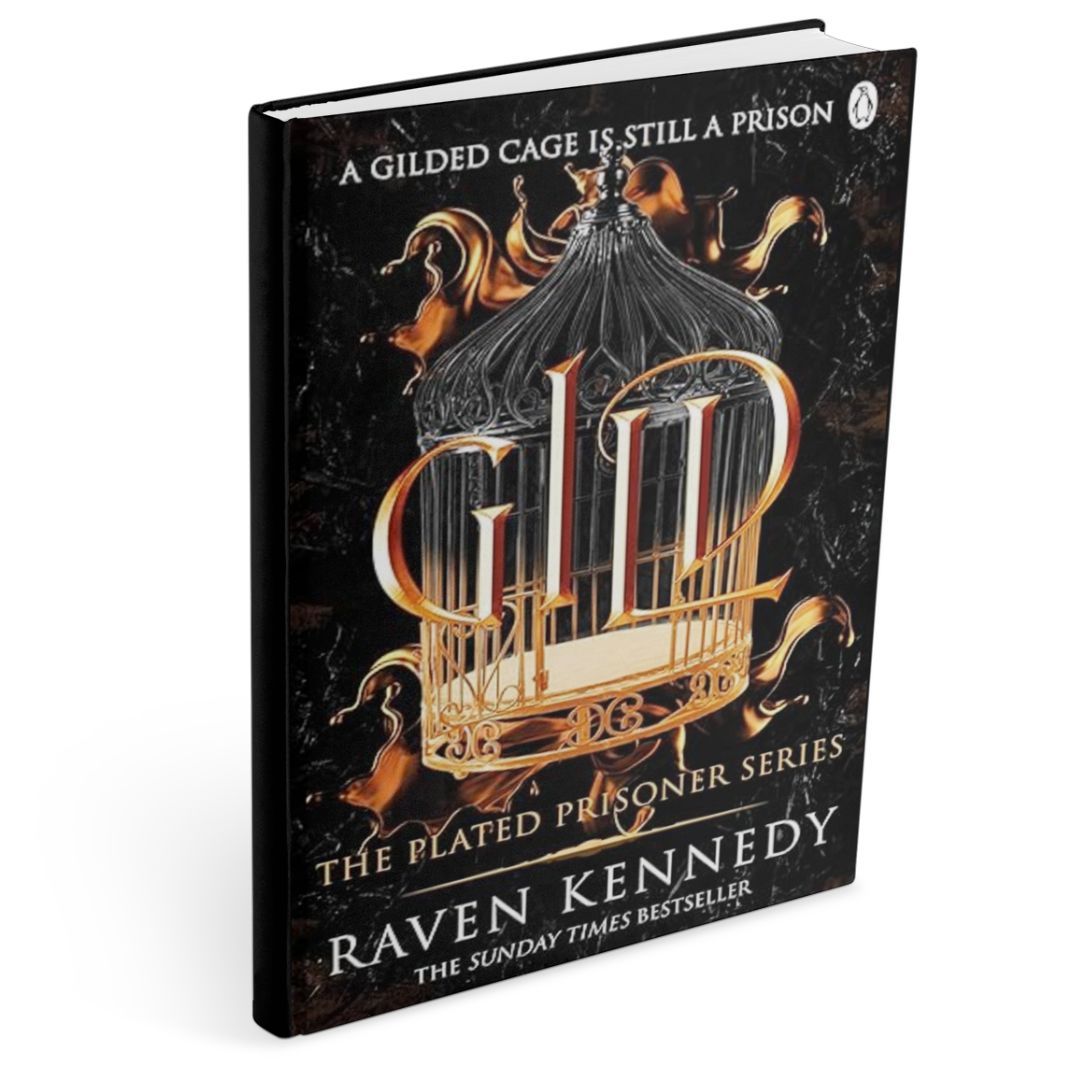
From the opening pages, Kennedy makes it clear that this is not a story about rescue, but about what happens when a woman raised inside a prison begins to see the bars.
Gild is not interested in being palatable. The opening is hard going (deliberately) and I can see why some readers bounce off it.
I didn’t.
That discomfort is doing real work. Without it, Auren’s arc wouldn’t land half as hard as it does.
And that’s the thing: Gild is about captivity and power, but it’s also about reframing the cage. When Auren begins to understand what she’s actually been surviving, the series turns into a slow, vicious reclaiming of self.
The romance doesn’t feel like a sweet reward. It feels like a live wire: dangerous, hard-won, and deeply emotional.
If you like your escapism with rage, vengeance, and glow-up energy, you’ll eat this.
Gild drops you straight into the deep end of Auren’s gilded captivity. She’s isolated, infantilised, convinced her suffering is protection.
That illusion is poetry. And entirely the point.
The narrative is claustrophobic by design, trapping you inside her perspective until the cracks start to show.
This is not a book that rushes revelation. Power dynamics unfold slowly, often uncomfortably, and the reader is meant to sit with the consequences. The early passivity isn’t weakness; it’s conditioning.
Watching Auren begin to question the stories she’s been told is where the real tension lives.
Romance-wise, Gild plays the long game. There’s no instant safety, no swooping rescue fantasy. Connection develops through resistance, anger, and the dawning realisation that desire and autonomy are not the same thing.
When attraction finally sparks, it’s not comfortable, it’s dangerous.
And all the sweeter for it.
This is less a fairytale retelling, more a psychological unravelling wrapped in gold leaf. As the founding book of the series, Gild is unsettling, frustrating, deliberately incomplete.
The payoff comes later, but without this bruising beginning, none of it would work.
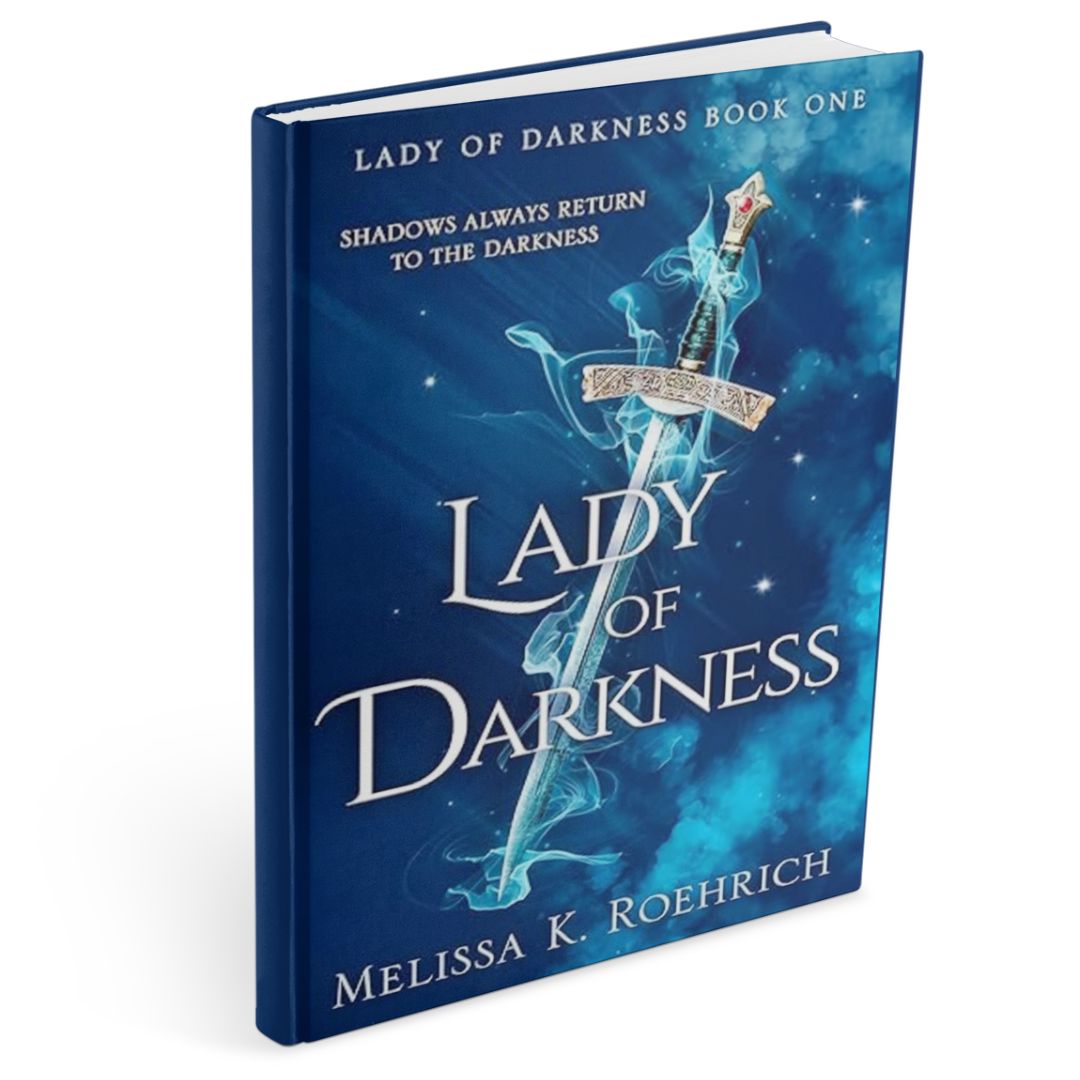
Lady Of Darkness by Melissa K. Roehrich
A lethal heroine. An emotionally armoured assassin who absolutely does not plan on getting attached to anyone. But then, slowly, she inconveniently does.
I went in expecting to enjoy Scarlett as a central character. I’d seen enough chatter about the book to know I liked the flavour her. But what surprised me was how quickly I became invested in the entire cast.
The story works because it doesn’t rely on a single relationship to carry the emotional weight. The plot keeps moving, the danger feels constant, and the characters evolve in response to what they’re forced to survive.
I didn’t agree with every decision Scarlett made, but I didn’t need to. The momentum comes from watching her choices collide with the world around her and dealing with the fallout.
This is romantasy that leans dark without losing its heart.
Found family built under pressure. Fae politics that actually affect the story. And a romance that grows out of tension and mistrust rather than convenience.
It has that immersive, interconnected feel where the world doesn’t switch off when the chapter ends. Before you realise what’s happened, it’s well past midnight and you’re emotionally invested in at least five different people.
The world of Lady of Darkness centres on a fractured fae realm shaped by power struggles, ancient grudges, and shifting alliances. Magic is woven into the political structure, not just the combat, and loyalties are rarely simple. Scarlett operates inside this system as a trained killer, bound by duty, secrecy, and the consequences of choices she made long before the story begins.
The plot moves between covert missions, political manoeuvring, and escalating threats that force Scarlett out of isolation and into reluctant cooperation with others. Every alliance is risky. Trust is treated as a resource that must be earned. The stakes rise steadily, pulling personal survival into conflict with larger forces that threaten the balance of the realm.
Rather than pausing the story for romance beats, the narrative lets relationships grow in the margins of danger: during shared battles, hard decisions, and moments where survival depends on someone else showing up.
The result is a world that feels lived-in and reactive, where character bonds form because the alternative is falling apart alone.
Playing With Monsters by Amelia Hutchins
An Urban Fantasy diversion for those of you who enjoy a dash of the real world in your dark fantasy romances. Playing With Monsters follows Magdalena (or Lena) Fitzgerald , a witch from a coven that has spent centuries hiding in Haven Crest. It’s a secluded town tucked inside Washington’s Colville National Forest and sealed behind heavy wards. Witches in the coven have their powers bound at birth by an ancient curse.
No witch comes fully into her magic until the Awakening, a dangerous ritual meant to keep them hidden from the monsters that stalk the wider Fae universe.
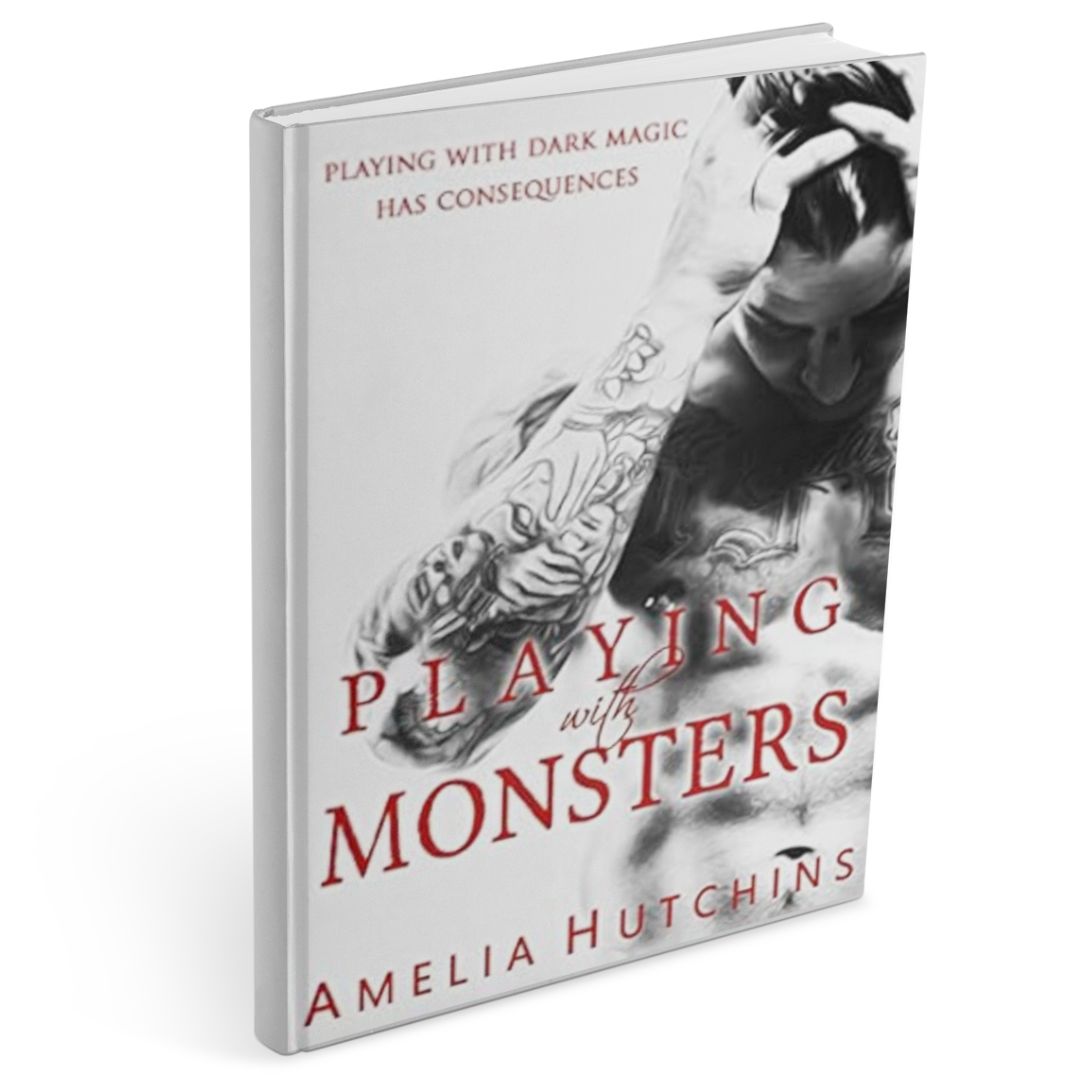
When that long-running protection starts to slip, the creature they’ve been running from finally closes in. Lucian Blackstone, an ancient, predatory being tied to a repeating curse, arrives for the Awakening with his own agenda, and Lena quickly learns that survival means navigating his rules, his power, and a deadly attraction she was never prepared for.
The story sits inside Hutchins’ larger universe: fae, vampires, demons, and organisations like the Guild are all in play, and characters from The Fae Chronicles and related series brush the edges of Lena’s story. The book stays tight on her coven, her trauma, and her relationship with Lucian, but it’s clear that older hierarchies and rival powers are moving just off-page.
Monsters here are literal and unapologetically predatory, and the world offers no true safety, only escalating bargains and consequences.
This one is absolutely for readers who like their MMC morally bankrupt and their spice unapologetically plentiful. I expected this one to be intense, and it didn’t disappoint.
There is nothing restrained or coy about the way this book approaches power, danger, or desire.
What really hooked me, though, was the scope of it.
This isn’t a one-and-done fantasy romance. It’s part of a larger, interconnected universe, and you can feel that sprawl on the page. The fae politics are messy, the monster lore is layered, and the world doesn’t bend itself into neat shapes just to serve the romance.
It feels lived in, volatile, and only half under anyone’s control.
The romance works because it’s threaded through actual stakes. The heat is there, yes, but it’s backed by plot and worldbuilding rather than feeling like a string of scenes stitched together.
There is a tendency in very high heat books to focus so much on the spice, that the plot becomes a secondary thought (Lights Out did this in spades. Not a fantasy, but so into the kink that it forgot to have much of a plot).
Playing With Monsters is dark, relentless, and very adult.
Reading it feels like being chased through a dangerous magical landscape by someone you know you shouldn’t trust and absolutely shouldn’t want, but you do it anyway.
Feathers So Vicious (Court of Ravens #1) by Liv Zander
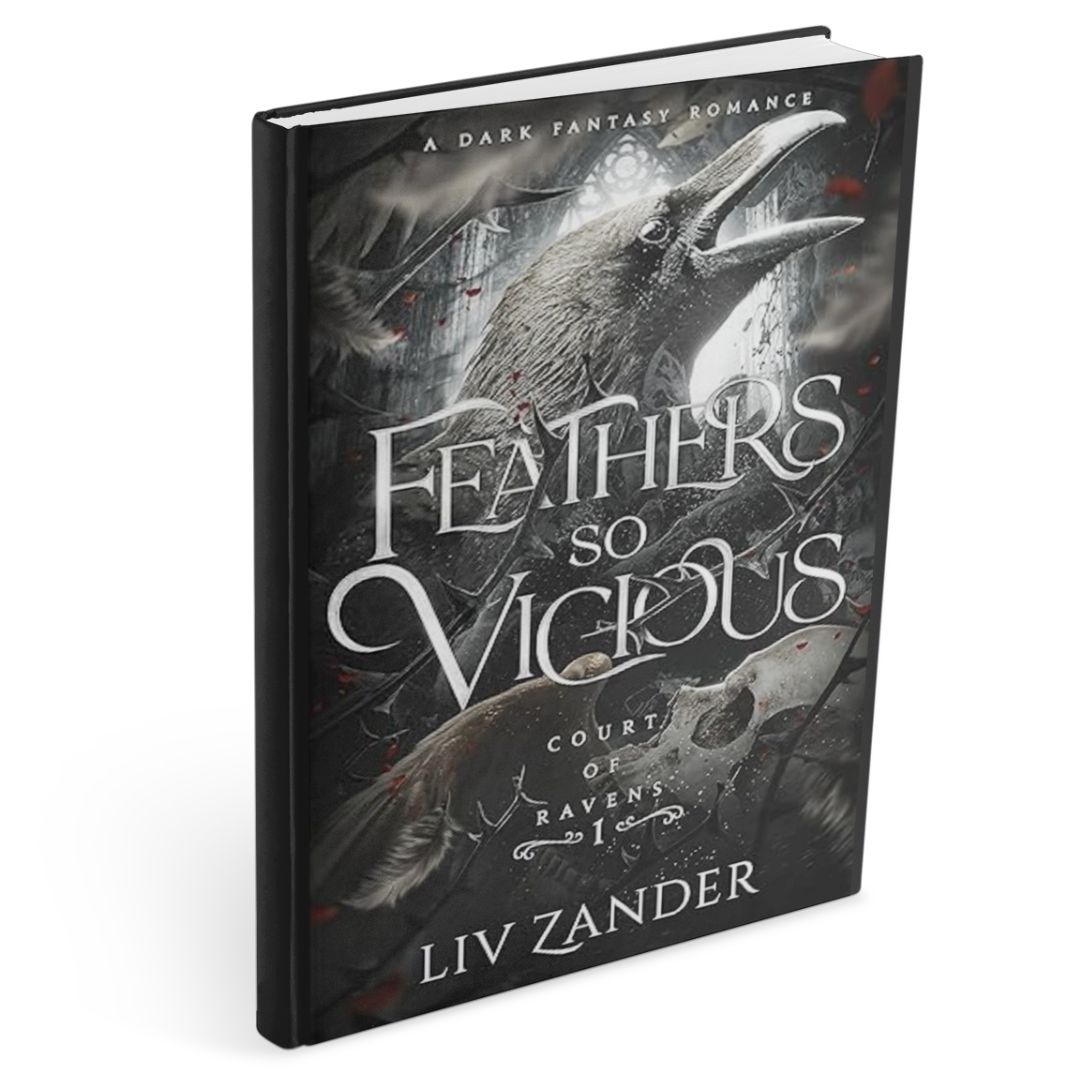
Feathers So Vicious is set in a brutal, fantasy world shaped by violence and ruled by raven shifters. Power is inherited through violence, dominance, and ancient tradition rather than law or mercy. The ravens are not symbolic creatures or distant rulers.
They are apex predators who govern through fear, strength, and rigid hierarchy.
The story follows Galantia, a human taken into this world under circumstances that immediately strip her of safety and autonomy. From the outset, the imbalance of power is explicit and sustained.
Survival depends on endurance, obedience, and learning how this society functions long before Gal has any chance to challenge it.
Raven culture is deeply ritualised and unforgiving, shaped by conquest, loyalty to the court, and an expectation of cruelty as a survival trait. Violence is normalised. Vulnerability is punished.
Emotional attachment is considered weakness.
These values drive both the external conflict and the intimate dynamics at the heart of the story.
This book does not soften its world to accommodate comfort or catharsis. Instead, it establishes the emotional and political foundations that the rest of the series will later interrogate and destabilise.
This is not a cute, flirty romantasy you ease into.
This is a brace yourself kind of book, and it makes that clear early on.
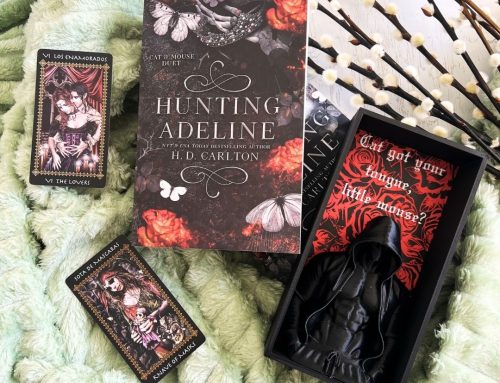
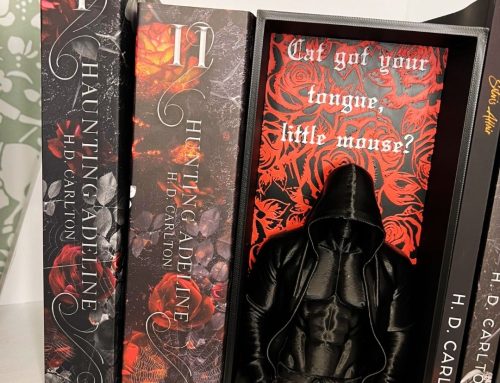
I’ve become deeply obsessed with dark romance over the last year and this one, genuinely, gave me pause. In a way that even Haunting Adeline did not.
It’s brilliant.
But it is brutal in its intensity.
I went in expecting something dark and spicy, but what I got was…far more than I ever could have anticipated, having never read anything quite this dark before.
The raven shifters. The power dynamics. The violence. The emotional pressure all hit hard.
And they’re meant to.
What caught me off guard was how much emotional weight sits underneath the brutality. This isn’t shock value. Though it absolutely will shock you. The darkness is doing narrative work. Which, I believe, is the difference between a generic dark romance or romantasy, and one that ranks among the best. The darkness needs to function as part of the story. As intrinsic to it as the romance is to the plot.
Here, that darkness is carving out space for characters who are damaged, defensive, and slowly forced into vulnerability whether they want it or not.
The romance hurts. A lot.
But it also heals in small, hard-won ways that feel earned rather than performative (though it is partial, messy, uncomfortable healing).
I finished this one beyond wrecked.
The kind of wrecked where you need to sit in silence for a bit and recalibrate before you can move on.
That level of intensity is not everyone’s idea of escapism.
And that’s fine.
But if you like dark fantasy romance that fully commits to its premise and never flinches, Feathers So Vicious absolutely earns its place on the list.
The Serpent And The Wings Of Night (Crowns of Nyaxia #1) by Carissa Broadbent
This is vampire romantasy with actual bite.
Oraya is a human, adopted by the vampire king and raised among the political houses of rival vampire clans. She exists in a constant state of uncertainty, one mistake away from becoming someone’s meal.
If you like Bat Boys, you’re in for a treat. Different vampire houses have different characteristics, like feathered (Rishan) or membranous (Hiaj) wings.
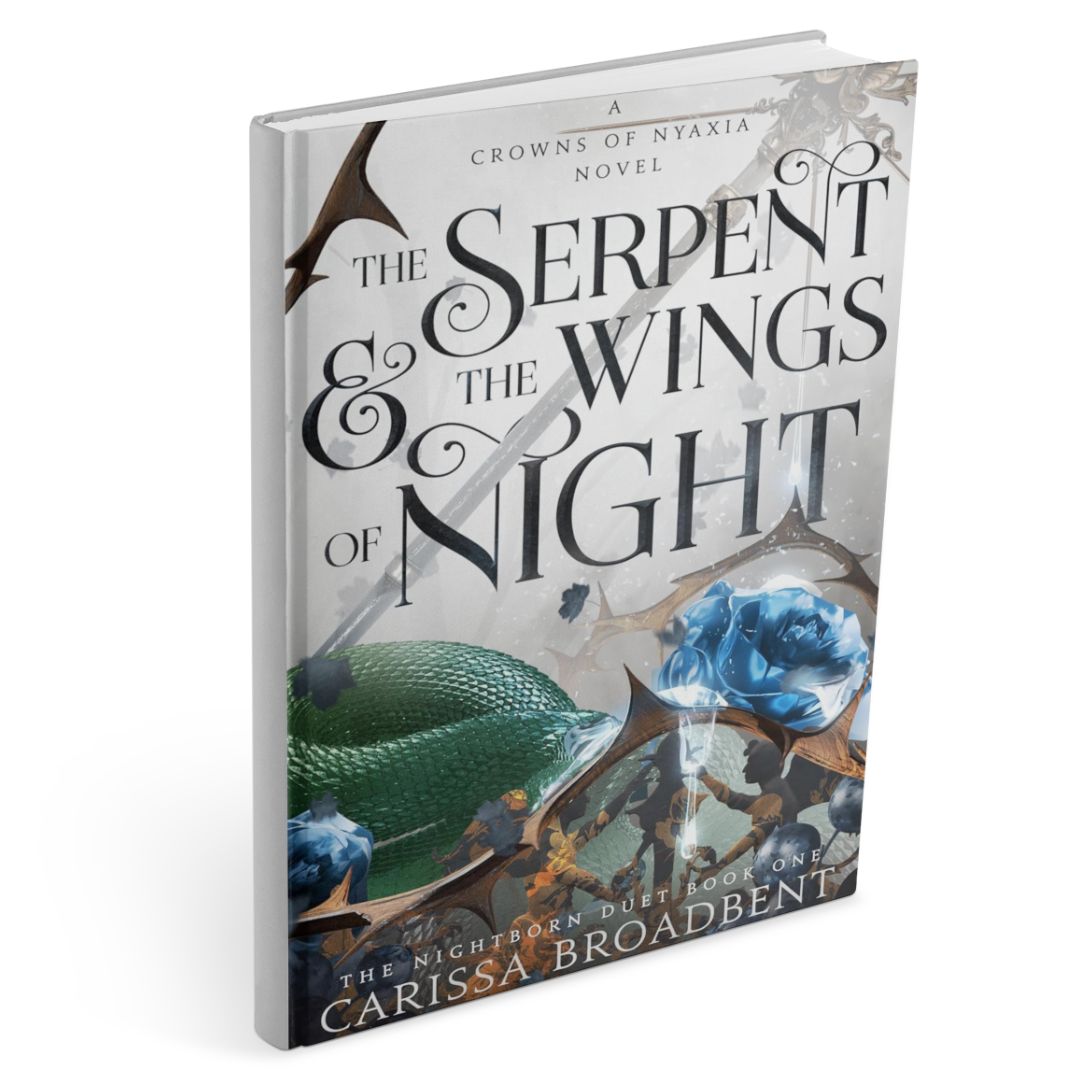
The story centres on the Kejari, a deadly, ritualised competition presided over by Nyaxia, the goddess of death. It’s like The Hunger Games, but ancient, ritualised, and designed to entertain gods rather than a Capitol.
The Kejari culls the weak and rewards the ruthless.
And while it’s the structure of the tournament that drives the (very compelling) plot, what kept me locked in was the pairing at the heart of it.
Because Oraya is thrown into an uneasy alliance with Raihn, an enemy vampire she’s forced to collaborate with as part of the Kejari. It’s a partnership born of necessity, as reluctant trust is forged under pressure, and chemistry that sharpens rather than softens as the stakes rise.
The magic is dark. The violence is front and centre. The romance never feels like an afterthought, but also doesn’t eclipse the external plot. This is romance woven directly into a complex, compelling, dangerous plot. Neither element would work without the other (one of the hallmarks of a truly great romantasy), but there is genuine danger and darkness here. Every glance, every decision carries weight.
I didn’t read this for comfort.
I read it for tension.
For blood. And power. Desire colliding in a way that feels volatile and alive.
The escapism in The Serpent And The Wings Of Night is gladiatorial.
You’re in the arena, you’re watching people bleed, and somehow…you’re still thinking about the kiss.
King of Flesh and Bone (The Pale Court #1) by Liv Zander
Yes. It’s another one by Liv Zander.
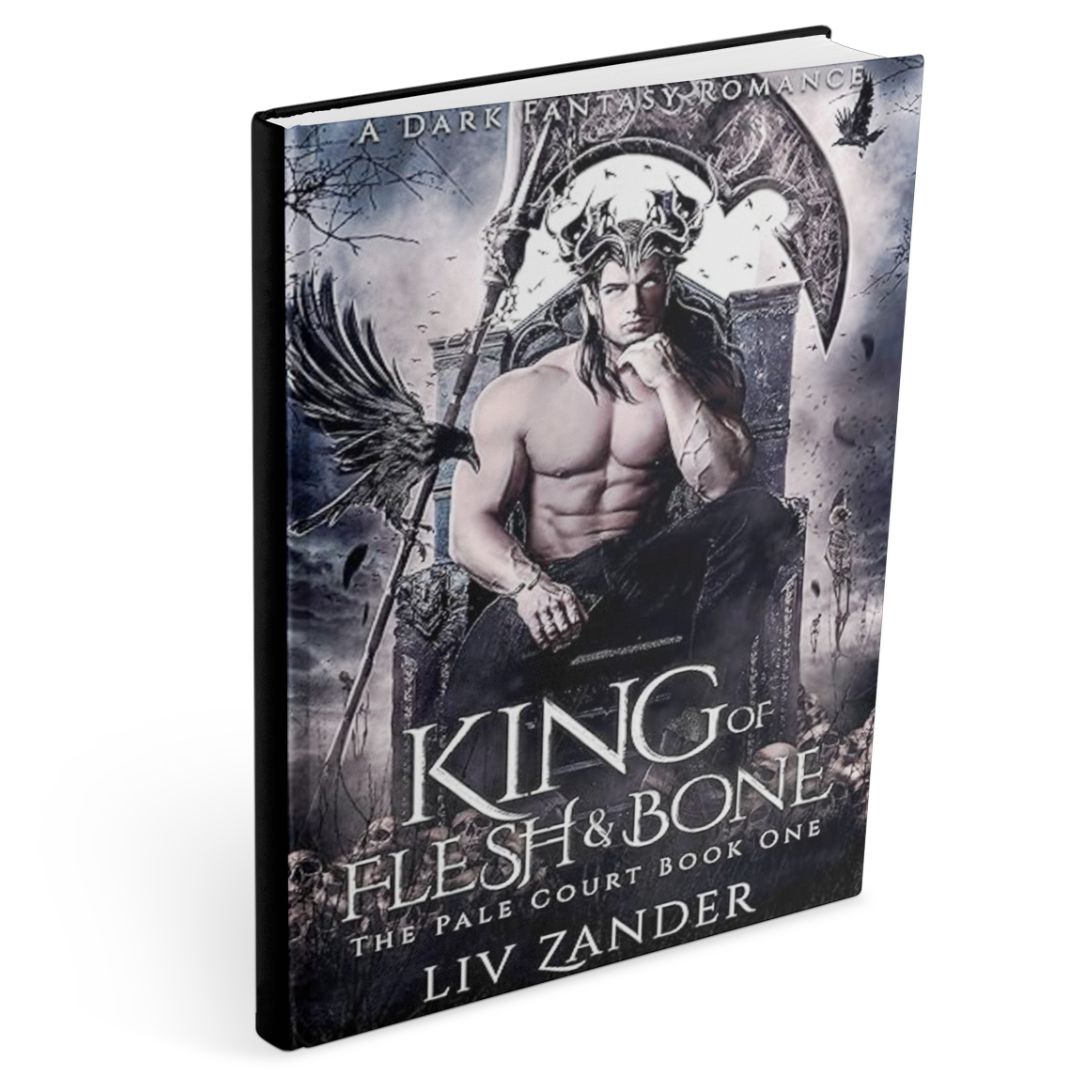
King of Flesh and Bone opens in a rain-soaked, superstitious little village where the dead refuse to stay politely in their graves.
Ada is a barren widow and midwife, already half exiled by gossip, trudging through a world where corpses groan in pits and must literally be weighed down to stop them rising. The locals blame an old curse and a vengeful death-god known as the King of Flesh and Bone, who rules from the Pale Court, a ruined realm of rot, bone and restless dead.
A disastrous night’s work and one very unfortunate donkey incident drag Ada out of her human world and straight into the clutches of Enosh, the god-king who can command flesh and bone like clay. Raise armies of corpses. Twist bodies. Halt decay. Snap bones with a thought.
Instead of killing Ada, Enosh fixates.
She is warmth in his dead kingdom. Defiance in the middle of his obsession.
He decides to keep her in a court built on grave dirt and necromancy.
It’s villain romance. Unapologetically. Deliciously. And completely immersed in a dark fantasy world that feels cold, ancient, and actively hostile.
Enosh is ruthless, possessive, and very much not interested in being redeemed early, or gently, or at all.
What makes it stand out for me is how confidently it commits to that premise. The romance is central and explicit, but it isn’t dressed up to make it more comfortable. There’s no throwing in extra personality quirks that ‘soften’ him or make him excusable.
There isn’t even a worse guy there for contrast, to make him seem good by comparison.
The power imbalance, the obsession, and the danger are all part of the appeal, not something the story tries to smooth over. It feels mythic and grim in a way that a lot of darker romantasy flirts with but doesn’t fully embrace.
This isn’t escapism as comfort.
It’s escapism as descent.
Reading it feels like falling in love somewhere cold and underground, fully aware that you probably shouldn’t, and doing it anyway.
Bitten and Bound Trilogy by Amy Pennza
The Bitten and Bound trilogy follows Princess Given, who’s ridden her whole life on the illusion of safety. That ends the day her brother, King Rolund, rides with her to the Rift and hands her over as a blood slave to their enemies.
The vampires of Nor Doru.
Yes, this is another vampire romantasy. No, it’s not a coincidence there are so many dark vampire fantasy romance novels. Vampires really lend themselves to this genre.
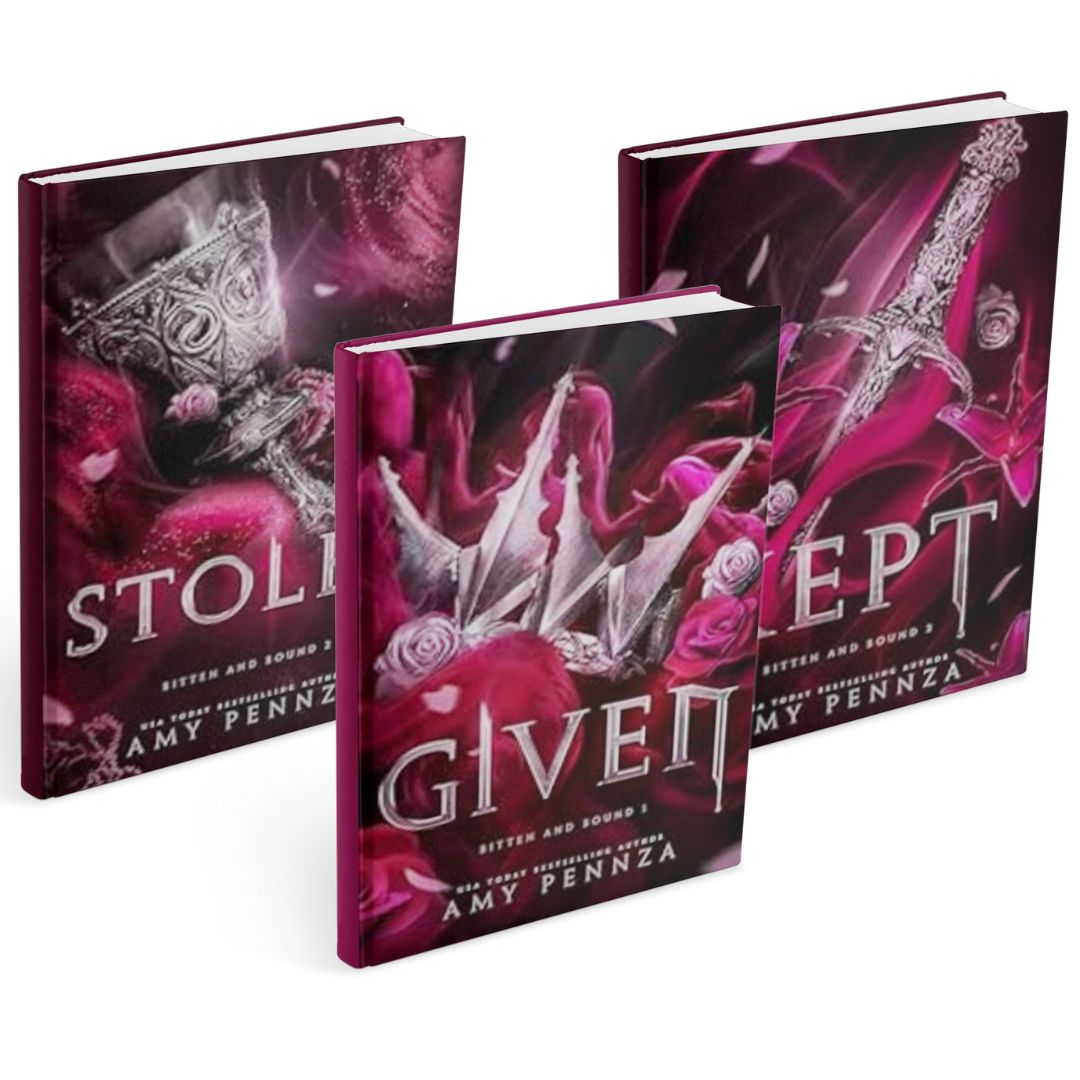
Given is a halfling princess with unusual heritage. Not quite human, not quite vampire. Something between the two.
Rolund is desperate to stop an encroaching magical darkness called the Deepnight from swallowing his kingdom, trades her to King Laurent, an ancient vampire whose court runs on hunger, power, and secrets.
Survival means sharing blood and body in a palace where Laurent’s cruel, magnetic general Varick watches her every move and wants his own claim.
Caught between two men and two kingdoms, Given has to navigate a twilight world of fangs, politics, and old elven dangers waking in the dark, even as something fierce and dangerous starts to wake in her.
I picked this trilogy up expecting heat. And it absolutely delivers on that front. But what surprised me was how much care has gone into the relationships themselves.
The MMF dynamic isn’t treated as a gimmick or a shortcut to shock value.
It’s complex. Tense. And allowed to unfold over time, with real emotional stakes attached to every shift in balance.
The romance doesn’t sit on top of the story, it is the story. The relationships drive the plot forward, the tension is sustained rather than reset between books, and the fantasy framework supports all of it instead of feeling like an afterthought.
Vampires. Power. Loyalty. Desire.
All tangled together in a way that feels intentional and cohesive.
This is deeply bingeable reading. I tried to pick a single book from the trilogy for this list, and honestly couldn’t. I’m not even sure I remember where one ends and the next begins. I read them all straight through, and then had to sit in a dark room for a while to recover.
You end this trilogy with a slightly hollow feeling that comes from stepping out of a world you weren’t ready to leave.
The Unseelie Prince by Kathryn Ann Kingsley
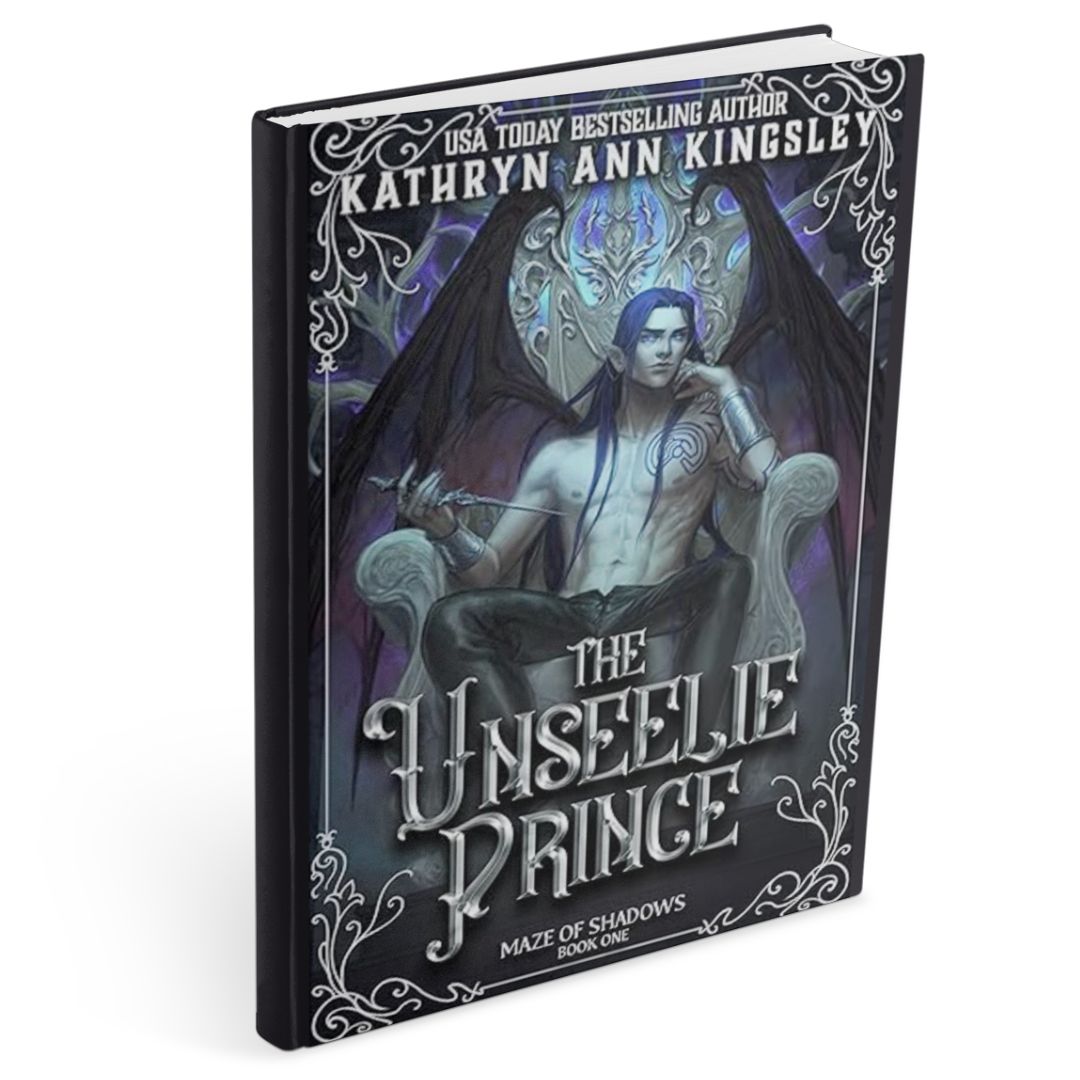
Abigail starts The Unseelie Prince as a nobody in a nowhere village, a ‘cursed’ farm girl whose husband has already walked out. Her neighbours are just waiting for her life to fall apart. And all it takes to prove them right is one act of pity: helping an old hermit who isn’t what he seems.
That kindness tears her out of the mortal world and drops her into Tir n’Aill, a fae realm where logic bends, reality is fluid, and a vast, living labyrinth called the Maze rearranges itself around its prey.
At the heart of it all is Valroy, the Unseelie Prince, a half-fae, half-demon heir to a vacant throne. He needs a queen, and prefers to hunt for one rather than court her. At the heart of it all is Valroy, the Unseelie Prince, a half-fae, half-demon heir to a vacant throne. He needs a queen, and prefers to hunt for one rather than court her. At the heart of it all is Valroy, the Unseelie Prince, a half-fae, half-demon heir to a vacant throne. He needs a queen, and prefers to hunt for one rather than court her.
Abigail’s only hope of going home is to play his game. And that means navigating a sentient, hostile Maze that answers to Valroy, and Valroy alone.
Every bargain here has teeth. Every kindness comes with a price.
This book drops Abigail straight into this shifting, hostile otherworld, where survival depends on learning the rules fast or paying for it. She’s trapped there without context, without allies, and without any guarantee that the person offering help isn’t also the greatest threat she faces.
The romance grows directly out of that imbalance.
The Unseelie Prince controls the Maze, controls the terms of her survival, and never pretends to be safe or benevolent. Every interaction is charged with uncertainty, power, and the question of whether she’s being tested, protected, or quietly set up to fail.
That tension drives the story as much as the fantasy mechanics themselves.
What makes it work for me (aside from the fact it’s a very adult version of The Labyrinth) is how fully the story commits to discomfort.
The setting is surreal and predatory, the romance is central and dangerous, and the attraction feels like the worst idea you ever had, even as you find yourself leaning harder into it.
Reading it gives you the uncomfortable sensation that you’re making a series of increasingly questionable choices. Every one draws you deeper into a magical nightmare, and you realise way too late that you have no exit, because you’re invested now, and the only way out is through.
This one you will binge. And I say that with warning because there are nine of these bad boys and once you pop you aint stopping until you’re done.
Daughter Of The Blood by Anne Bishop
In the Realms of the Blood, power isn’t a blessing, it’s a sentence.
Three interconnected worlds – Terreille, Kaeleer, and Hell – are ruled by an aristocracy of witches and warlords whose status is worn for all to see in the form of jewels.
Jewels in thirteen ranks, from pale and weak to black and world-shattering.
The darker your Jewel, the more deadly your magic, and the more valuable you are to the twisted courts that use sex, slavery, and violence as tools of control.
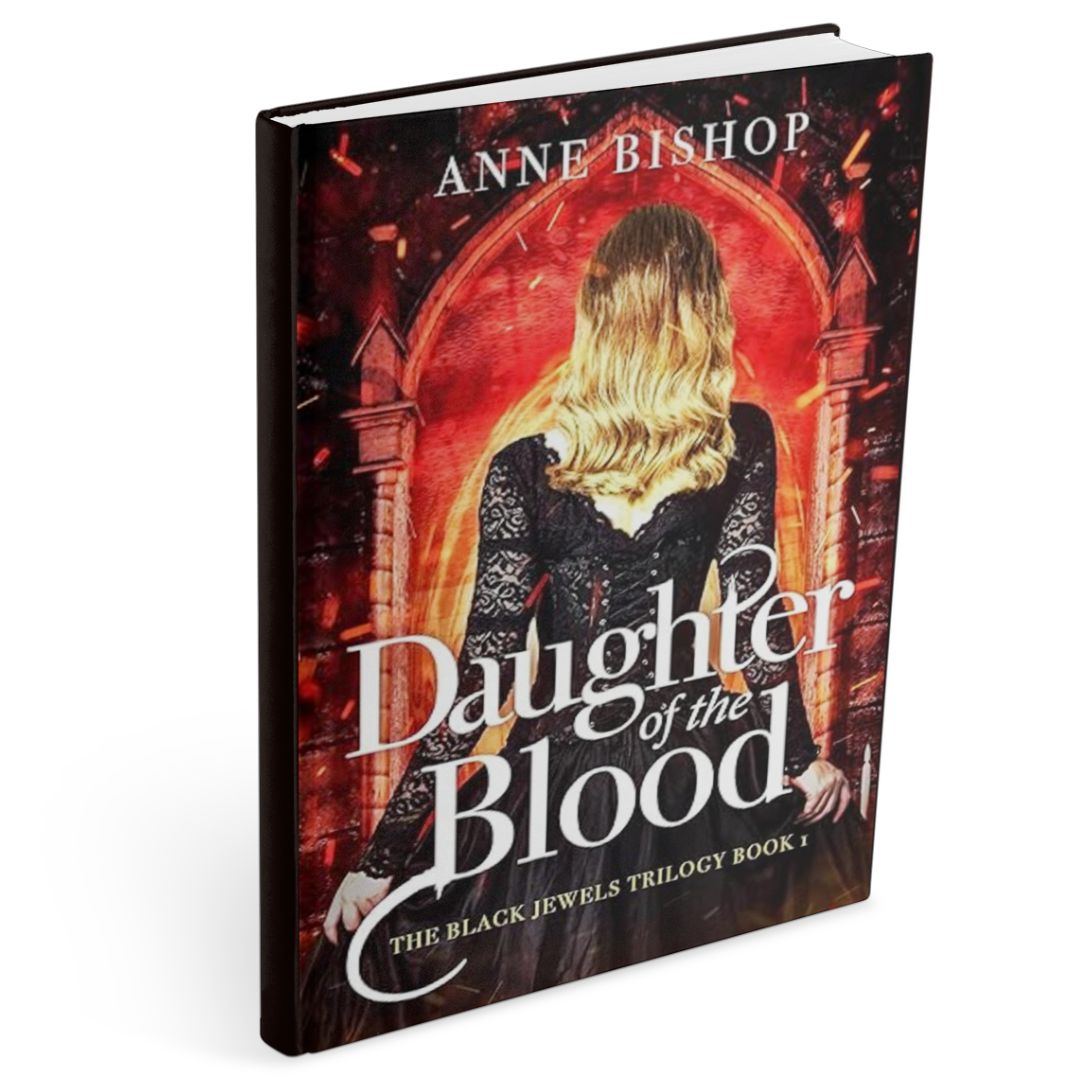
Over all of it hangs an old prophecy.
One day, a Witch will be born, a Queen so strong she could remake the realms or destroy them.
Jaenelle is that girl, though almost no one recognises it at first.
Yes. This is a chosen one/prophecy concept.
Try not to hold that against it.
Jaenelle moves between realms like other children move between rooms. She appears in the court of Saetan, the High Lord of Hell, as a strange, impossibly powerful child who terrifies and fascinates him in equal measure.
Elsewhere, Daemon Sadi – a sadistic, long-enslaved pleasure slave with Black Jewels and a reputation to match – feels her presence like a promise and a threat.
Both men understand, long before she ever does, that this small, wounded girl is the fulcrum their entire system could turn on.
The problem is that the same corrupt powers who broke the Blood in the first place can sense Jaenelle’s nature too, and they’re determined to either twist the Witch into a weapon, or shatter her completely, rather than let her grow into her potential.
This book does not ease you in.
It opens the door to a world built on cruelty, power hierarchies, and trauma, and expects you to decide very quickly whether you’re willing to keep going.
Keep going.
Jaenelle is born with immense magical potential in a society that is both obsessed with power and deeply abusive toward those who possess it.
From the start, it’s clear that her existence alone destabilises everything around her.
The romance unfolds slowly and indirectly, threaded through protection, devotion, and restraint rather than immediate desire. The male characters orbiting Jaenelle are bound by loyalty and reverence as much as attraction, and the relationships develop under the weight of a world that actively punishes softness.
The darkness here is not aesthetic.
Like most of the books to make this list, Bishop uses darkness as structure, as culture. It’s woven through the magic system.
It’s the hinge for how power is enforced.
Daughter of the Blood isn’t an easy read.
But you didn’t come to a list of the best dark fantasy romance books for an easy read.
The darkness is foundational for a reason.
If you’ve ever wondered where a lot of modern dark fantasy romances got their teeth, this is one of the stories to sharpen those fangs. Reading it feels less like casual escapism and more like stepping into the roots of the genre and realising how far those shadows stretch.
Why We Love Dark Fantasy Romance Novels
Dark fantasy romance isn’t escapism because it’s gentle.
It’s escapism because it’s honest. Yes, the settings are fantastical, magical, usually otherworldly, often horrifying.
But these stories don’t pretend their worlds are kind, or that love is safe, or that desire comes without consequence.
They don’t offer comfort as a blanket.
They offer it as a knife. Sharp, necessary, capable of cutting you free or carving you open, depending on how you hold it.
What ties all of these books together isn’t just darkness, or spice, or morally questionable love interests.
It’s commitment.
To power dynamics that actually matter. To trauma that doesn’t magically vanish when the romance begins. To worlds where love is forged under pressure, not handed out as a reward for surviving the plot.
This is romance that doesn’t apologise for itself.
It doesn’t rush redemption.
It doesn’t tidy up the mess.
Sometimes it heals. Sometimes it scars. Sometimes it does both at once.
That won’t work for everyone. And it shouldn’t.
But if you read for intensity, for tension, for stories that trust you to sit with discomfort and still feel deeply, this corner of the genre delivers in a way nothing else quite does.
So no, this isn’t cosy escapism.
It’s dangerous, immersive, emotionally feral escapism.
And, honestly?
That’s exactly why it works.




 4.28 Average