Skip to content

Ever found yourself glued to a love story where one partner is significantly older than the other? Perhaps it’s the billionaire CEO falling for the fresh-faced intern, or the single dad unexpectedly drawn to his kid’s twenty-something nanny. Age gap romance is a trope that has long captivated readers in the romance community. There’s something undeniably intriguing about two people from different generations finding common ground in love.
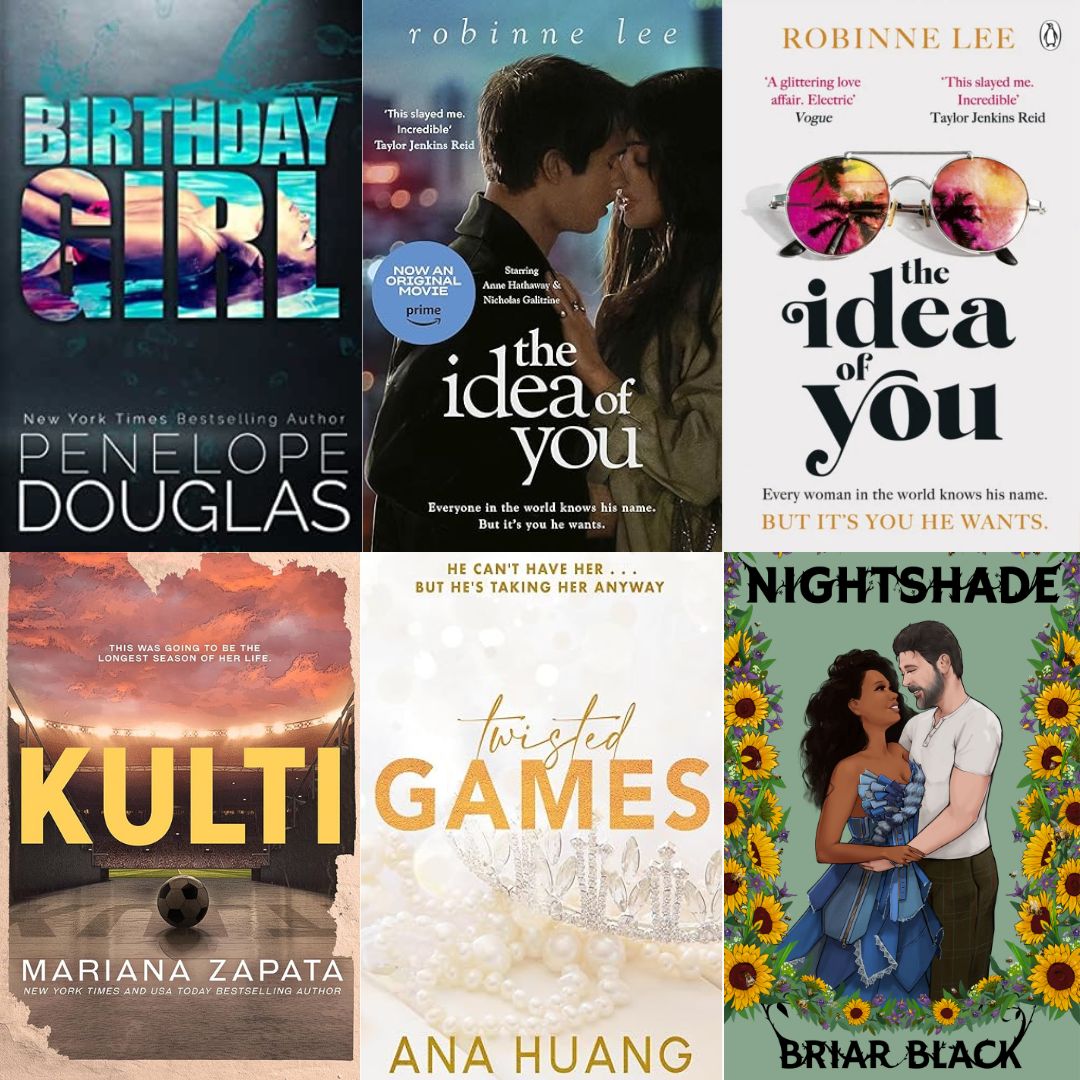
This trope is more popular than ever – from classic literature like Jane Eyre to BookTok sensations like Twisted Games, readers can’t get enough of the tension and taboo that an age difference brings. Age gaps feature in not one, but two of my own novels.
But why are we so drawn to the age gap romance trope?
What psychological strings do these stories pluck, and what makes them emotionally irresistible? There’s a lot of emotional and narrative appeal to age gap romance, and a deep psychology behind its popularity (power dynamics, protection, taboo, maturity vs. innocence and more).
So, gather round dear readers (young and older 😉) and let’s talk age gap romance.
Why Are Readers Drawn to age gap Romance?
One big reason romance lovers flock to age gap stories is the automatic tension an age difference creates. When you pair an older, more experienced partner with a younger, more spontaneous one, you get a potent mix of chemistry and emotional vulnerability. The contrast in life experience means every interaction can feel more intense, from quiet, tender moments to fiery clashes.
That spark is what we readers live for, and an age gap couple has sparks aplenty. Society often raises a figurative eyebrow at couples with big age differences. Any kind of external social pressure on a relationship automatically raises the heat of a novel. We sense that the stakes are higher and the romance more forbidden, which only pulls us in further.
Let’s face it, a huge part of the appeal of an age gap love is that it feels a little illicit or taboo.
@briarblackbooks Age gap romance, anyone? This is one trope I go a little feral for, I have to say 🤭 #RomanceRecs #RomanceReads #AgeGapRomance #AgeGapTrope #SilverFox ♬ older sped up - Isabel LaRosa
Forbidden fruit tastes the sweetest.
Whether it’s a student falling for a professor, someone dating their best friend’s father, or a thirty-something eco-warrior falling for the (married) fifty-something heir to a country estate, these stories carry an extra thrill of breaking an unwritten rule.
It’s the “No, we can’t; but we are; but we must resist; but that’s impossible!” push-pull.
When the couple finally overcomes the barriers, it feels triumphant.
Love wins against the odds (cue our happy sighs).
Emotional Depth And Character Growth
Age gap romances aren’t just about shock value or taboo; they often dig deep into personal growth for both characters. The older character might be world-weary or guarded from past hurts. The younger character is often more open-hearted, idealistic, or naïve. When they come together, each brings out something new in the other.
The younger partner’s fresh perspective can breathe new life into the older partner. The younger represents a kind of rawness, spontaneity, pure revelry in life and love, that usually allows the older to rediscover joy and vulnerability.
Meanwhile, the older lover’s wisdom, experience, and stability can help the younger one mature and learn about themselves. Having someone with enough life under their belt to see through all the bullshit we tell ourselves when we’re younger, and reflect the truth of your potential, your flaws, your strengths, your beauty, back at you, is a phenomenally powerful thing.
To be the one who enables someone to come out of their shell, see themselves, and reach that potential, is equally intoxicating an experience.
That mutual growth makes the love story feel earned and deeply satisfying. We get to watch two characters change for the better because they loved each other.
Fantasy And Escapism
The age gap trope also comes with a huge amount of fantasy wish-fulfilment. Romances with an age gap tap into the what if of loving someone at a very different life stage. For a younger reader, it’s the swoony fantasy of an older, sophisticated partner with the confidence and experience to sweep you off your feet. For an older reader, it can be thrilling to imagine being adored by someone younger who sees you as incredibly desirable and inspiring.
Let’s face it, most of us had a crush on an older, unattainable person at some point. Often during our teens or early twenties, when teachers and university lecturers were everywhere, and hormones made everyone seem devastatingly attractive.
It’s a fantasy, just like the cowboys and crime lords and stalkers who inhabited our westerns, and mafia romances, and dark romance novels. The notion of someone who’s seen more of the world, has more experience, and can teach you. Yes, in a worldly sense, but more specifically in an “I don’t have to explain where my clit is this time, and he’s got moves I’ve never even heard of before.”
Connecting like that, allowing the older partner to be your guide in life, career, passion, all of the above, unlocks something in them too. It allows them to tap into the unfiltered passion of youth.
Because, let’s face it, for those of us who’ve got…ahem…older, there’s a jaded reality around falling in love that simply didn’t exist when we were younger. You just don’t fall as hard and as fast as you did when you were twenty-one.
Except, maybe, if you’re dating a twenty-one year old.
And the younger partner doesn’t have to be that young; they just need to be in a younger stage of life than you are.
Forty is young when you’re fifty-five.
Of course, in real life, dating someone with a 15-year age gap comes with practical issues. But the pages of a romance novel always offer escapist adventure where love truly conquers all.
The Psychology Behind The Age Gap Trope
Once you strip away the surface appeal of taboo and fantasy, age gap romance endures because it plays with power in ways that are psychologically compelling to watch unfold.
Power Dynamics
Age differences almost always introduce an imbalance of power. And as readers, we’re all suckers for a power imbalance in our romance. The older partner tends to have more life experience, money, or status. They usually also have more authority within the world of the story.
In fiction, that imbalance creates narrative tension.
Not because power itself is attractive (though it frequently is), but because we want to see what happens when it’s challenged.
We’re drawn to stories that ask uncomfortable questions.
This is why age gap romances often centre on characters who are used to being in control. The older CEO, the mentor figure, the emotionally self-contained man who has built a life around certainty and structure. Or the career focused woman who’s forgotten how to care about anything but proving herself. Pairing that character with someone younger introduces friction.
The younger partner disrupts routines, exposes emotional blind spots, and forces the older character to confront the limits of their authority.
The most satisfying versions of this trope are the ones where power doesn’t disappear, but it rebalances. The relationship becomes compelling, not because one character dominates the other, but because the original hierarchy collapses.
Control gives way to vulnerability. Authority gives way to choice.
When that shift doesn’t happen, the romance fails. As readers, we’re uber sensitive to power that tips into coercion. Age gap romance only works when both characters are clearly exercising agency, even when their life experience is unequal.
Protection and Psychological Safety
Closely linked to power is the concept of protection, which operates on a psychological rather than purely physical level.
The older partner is often positioned as someone who knows how systems work. They know how to survive disappointment. They know what breaks people and what doesn’t. That competence is attractive.
Not because it implies dependence, but because it implies safety.
Psychological safety is a powerful draw. The fantasy isn’t just “someone will protect me”; it’s “someone knows how to handle things when they go wrong”. Older love interests usually also represent a source of stability and resources that the younger character would otherwise be unable to access.
In age gap romance, protection is often emotional before it’s physical.
The older partner is the one who remains calm in crisis, who doesn’t panic at intensity, who has the capacity to hold space for difficult emotions. In return, the younger character often becomes a stabilising force of a different kind: grounding the older partner emotionally, reminding them that not everything needs to be controlled or anticipated.
This mutual exchange is crucial.
Protection that flows in only one direction quickly becomes paternalistic. The romances that resonate are the ones where care is reciprocal, even if it takes different forms.
Control, Risk, And Emotional Exposure
Another psychological thread running through age gap romance is the tension between control and risk.
Older characters are frequently written as people who have already been hurt. They’ve learned how to insulate themselves from emotional fallout. The age gap introduces a variable they can’t fully manage.
Loving someone younger often requires a level of emotional exposure they’ve deliberately avoided.
Likewise, loving someone older can give the younger character the reassurance they need to finally open themselves up after first love burnt them to cinders.
That loss of control is part of the appeal.
Readers enjoy watching characters who believe they’re emotionally self-sufficient realise that, actually, they aren’t. The relationship becomes risky not just because of social judgement, but because it threatens carefully maintained emotional defences.
For the younger character, the risk can also be very different. They’re choosing depth over simplicity, stepping into a relationship that carries complexity and consequence.
The psychological tension comes from watching both characters gamble something real, not just indulge desire.
Why This Works When It Works
Age gap romance doesn’t succeed because of age itself. It succeeds because age becomes a mechanism for exploring power, vulnerability, and emotional risk in heightened ways.
The trope magnifies dynamics that exist in all relationships: imbalance, care, control, trust. When written with intention, the age gap trope allows us, as readers, to engage with those dynamics safely. The same way dark romance novels allow us to explore kinks and taboos from the outside, without needing to resolve them in their own lives, the age gap trope does the same.
And, of course, that’s why so many dark romances include the age gap trope.
At its best, age gap romance isn’t about who has lived longer.
It’s about who is willing to change, in order to incorporate an alternative, beautiful worldview.
Age Gap Romance Recs
Nothing illustrates the appeal of the age gap trope better than the books readers passionately recommend. Here are a few well-known age gap romance novels that capture the magic (and drama!) we’ve been talking about – each in their own way:
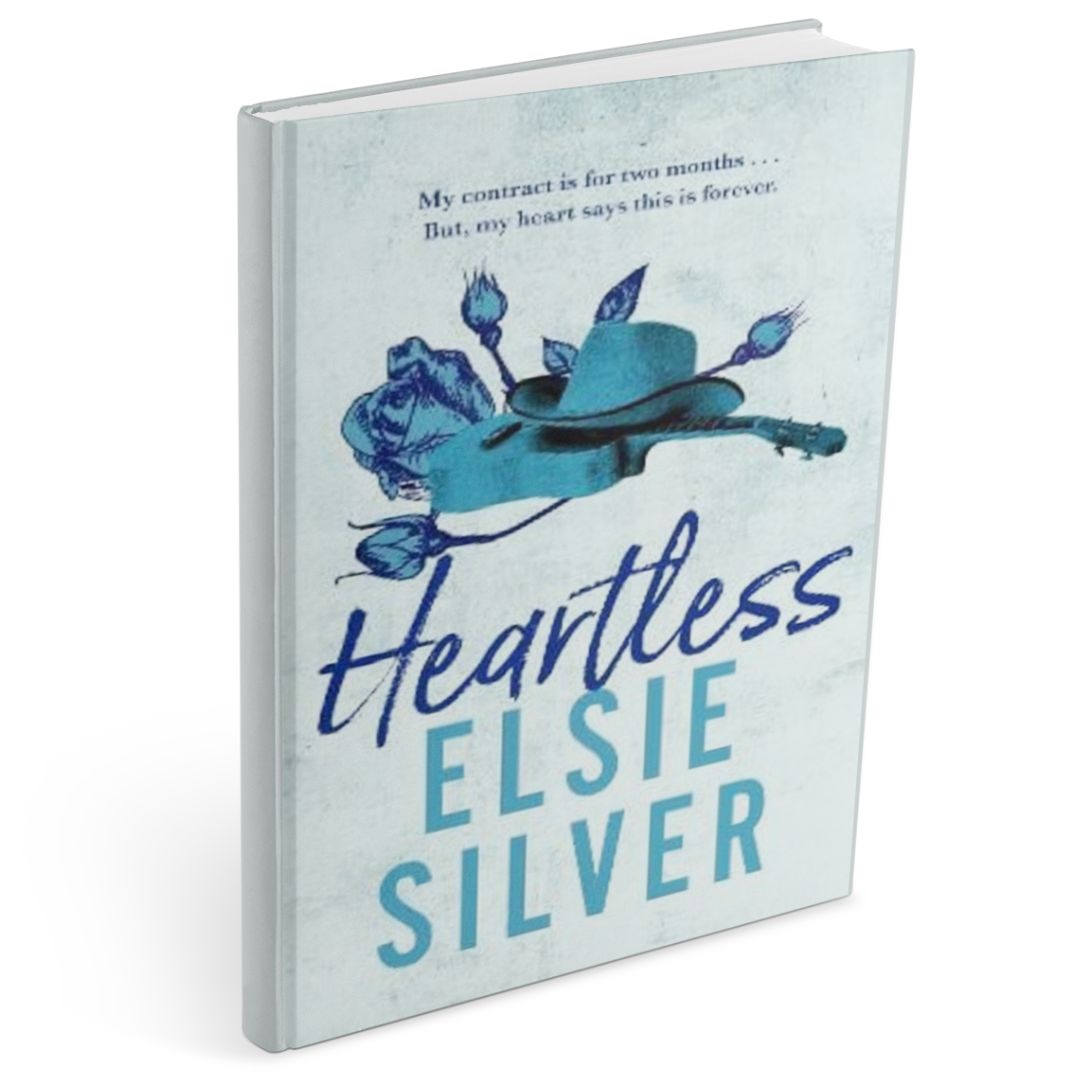
Heartless by Elsie Silver
This one certainly delivers all the heart (an fanny) flutters. Heartless gives us Cade Eaton, a grumpy 40-year-old single dad rancher, and Willa, the sunshiney 23-year-old woman who becomes his son’s nanny.
It’s an age gap of around 17 years, and the book leans into the life stage differences: he’s an established father with responsibilities; she’s young and still finding her path. Sparks fly.
This novel has explosive chemistry and a lovely emotional core. Willa brings laughter and youth into Cade’s life (he literally learns to have fun again), while Cade offers her steady love and a family to belong to. Cade’s protective dad vibes and the spicy tension of their slow-burn attraction will have you panting on this one.
Plus, cowboys.
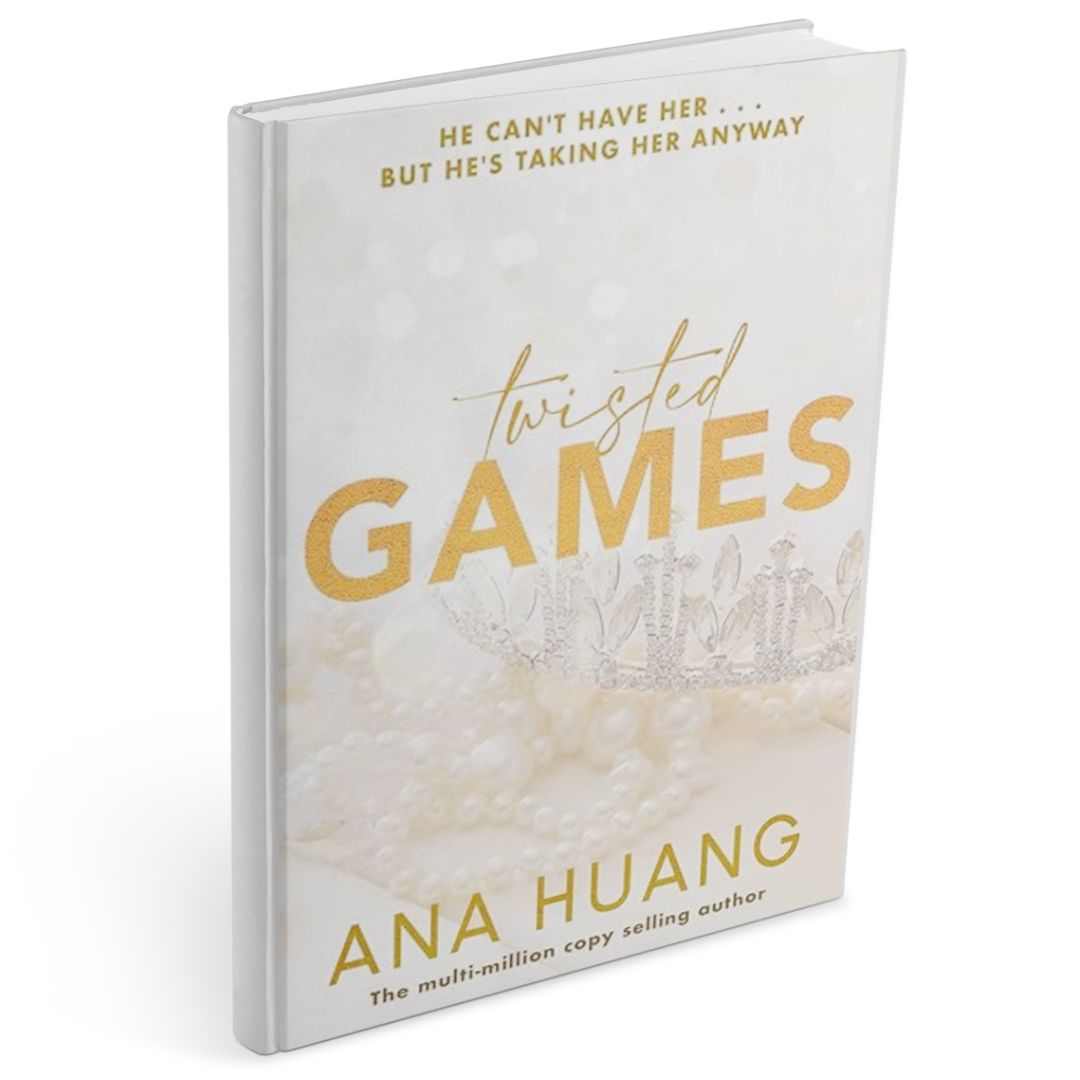
Twisted Games by Ana Huang
This contemporary romance pairs a free-spirited princess with her ultra-serious older bodyguard. It’s not only an age gap romance (about a 10+ year difference), but also a bodyguard/protector tale and a royalty romance rolled into one.
Honestly it would be worth it just for the bodyguard trope, but the age gap adds an extra layer of swoon.
Rhys, the hero, is in his 30s; Bridget, the heroine, is in her early 20s preparing for a royal role.
The book brims with power-play tension (he has to call her ‘Your Highness’ even as their personal dynamic heats up) and the forbidden nature of a royal falling for a staff member.
Rhys is fiercely protective of Bridget – the protective alpha older hero trope at its finest – yet she isn’t just a damsel; her youthful boldness challenges his stoic exterior.
Birthday Girl by Penelope Douglas
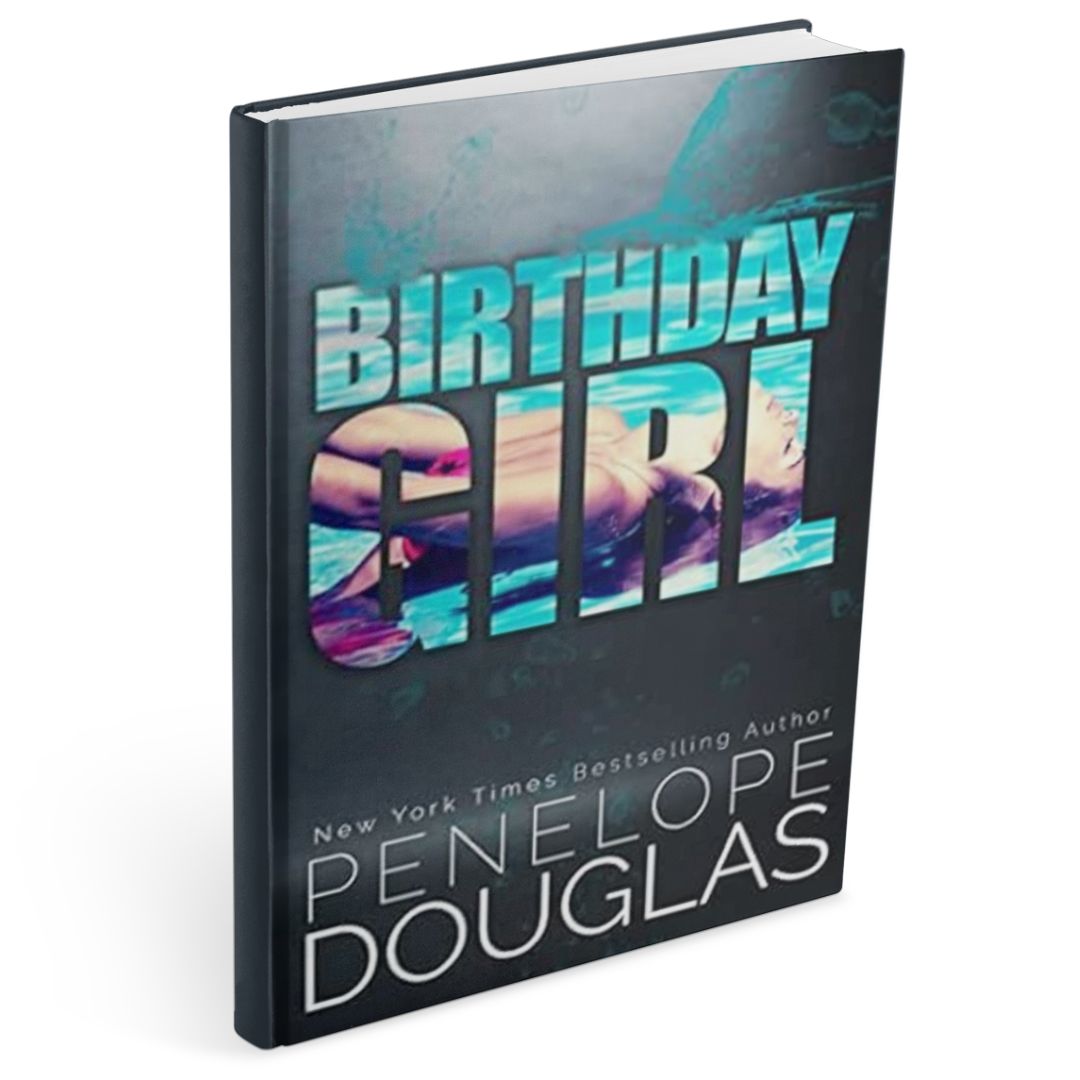
A notorious age gap romance that doubles as a forbidden love story. Birthday Girl sees 19-year-old Jordan fall in love with Pike…
Her ex-boyfriend’s 38-year-old father 😲
Talk about taboo!
This book has become a cult favorite among romance readers (hugely popular on TikTok and Goodreads) for how it handles the illicit tension.
Despite the scandalous setup, Douglas makes the relationship surprisingly tender and believable. Jordan is mature for her age and looking for stability; Pike is a young-at-heart dad who can’t resist how Jordan makes him feel. The forbidden aspect – sneaking around under the same roof – keeps readers on edge in the best way.
Birthday Girl really showcases the taboo thrill and the protective older hero vibe (Pike’s very caring toward her, even as he battles his guilt).
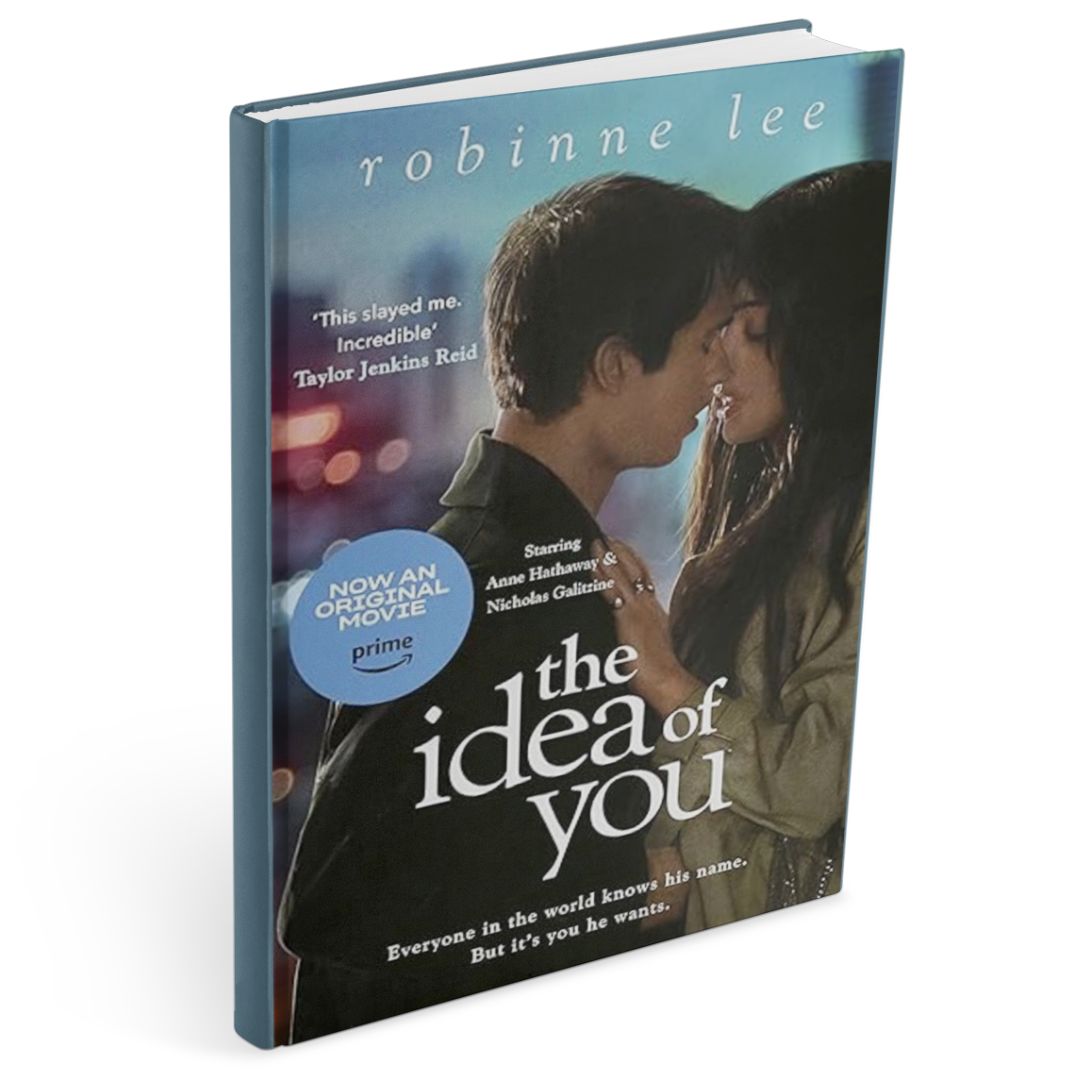
The Idea of You by Robinne Lee
This one flips the trope with a successful 39-year-old woman falling for a 20-year-old British boy band heartthrob. It’s a glamorous, bittersweet story that dives into the reverse age gap (older woman, younger man) and the challenges that come with it.
Solène, the heroine, faces judgement for dating someone nearly half her age. There’s a poignant exploration of a woman embracing her desirability and wants, even as society tells her she shouldn’t. This one’s got real emotional depth and sizzling chemistry between the characters.
No, you’re not imagining it, there was an Anne Hathaway film adaptation that came out in 2024.
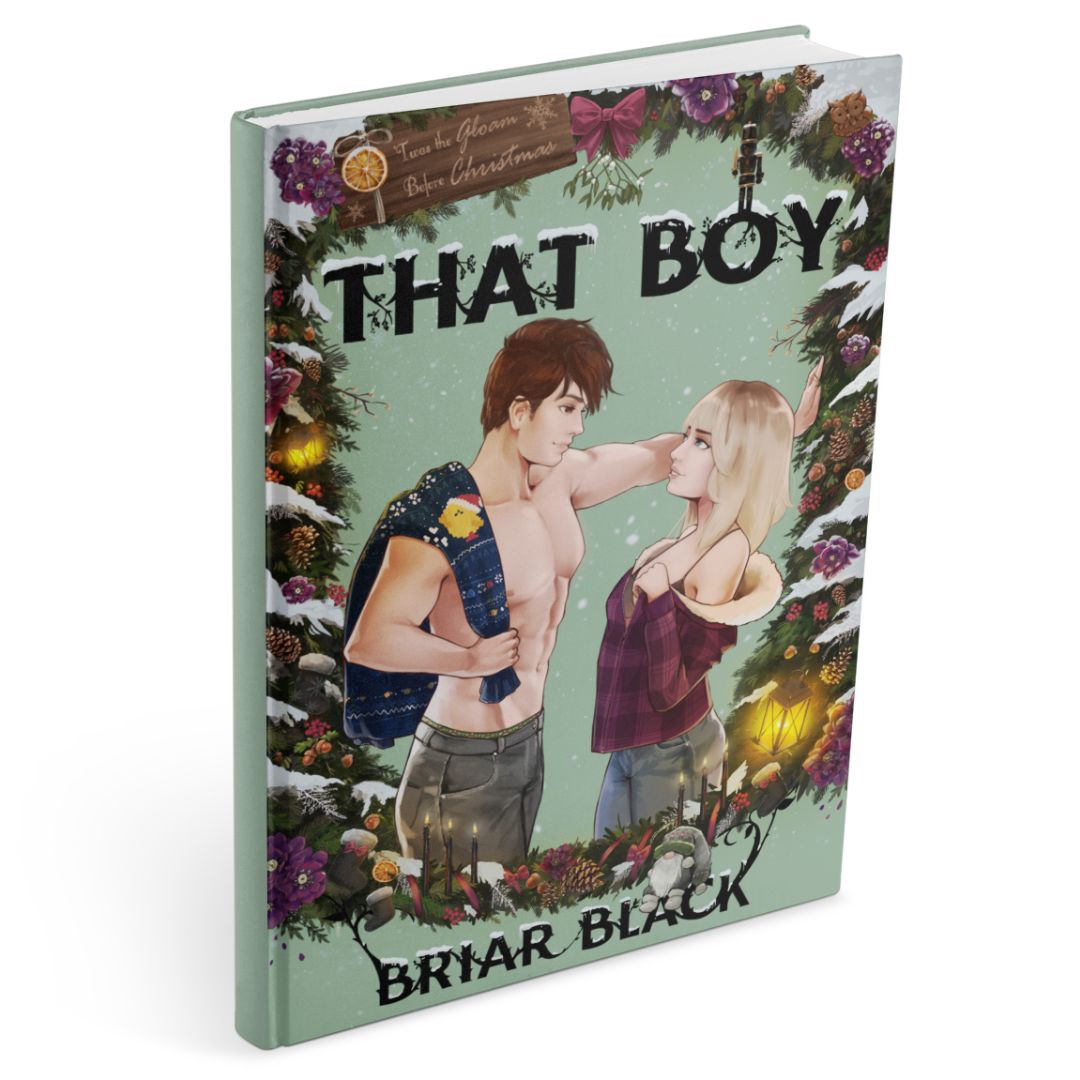
The Idea of You naturally illustrates themes of power balance and taboo from a female perspective. It’s not just older men who can date younger; older women can be the hot, sexy, wise, experienced, intelligent half of the package that has a younger man falling head over heels! (FYI, if you’re into that, you need to read That Boy 😉
Kulti by Mariana Zapata
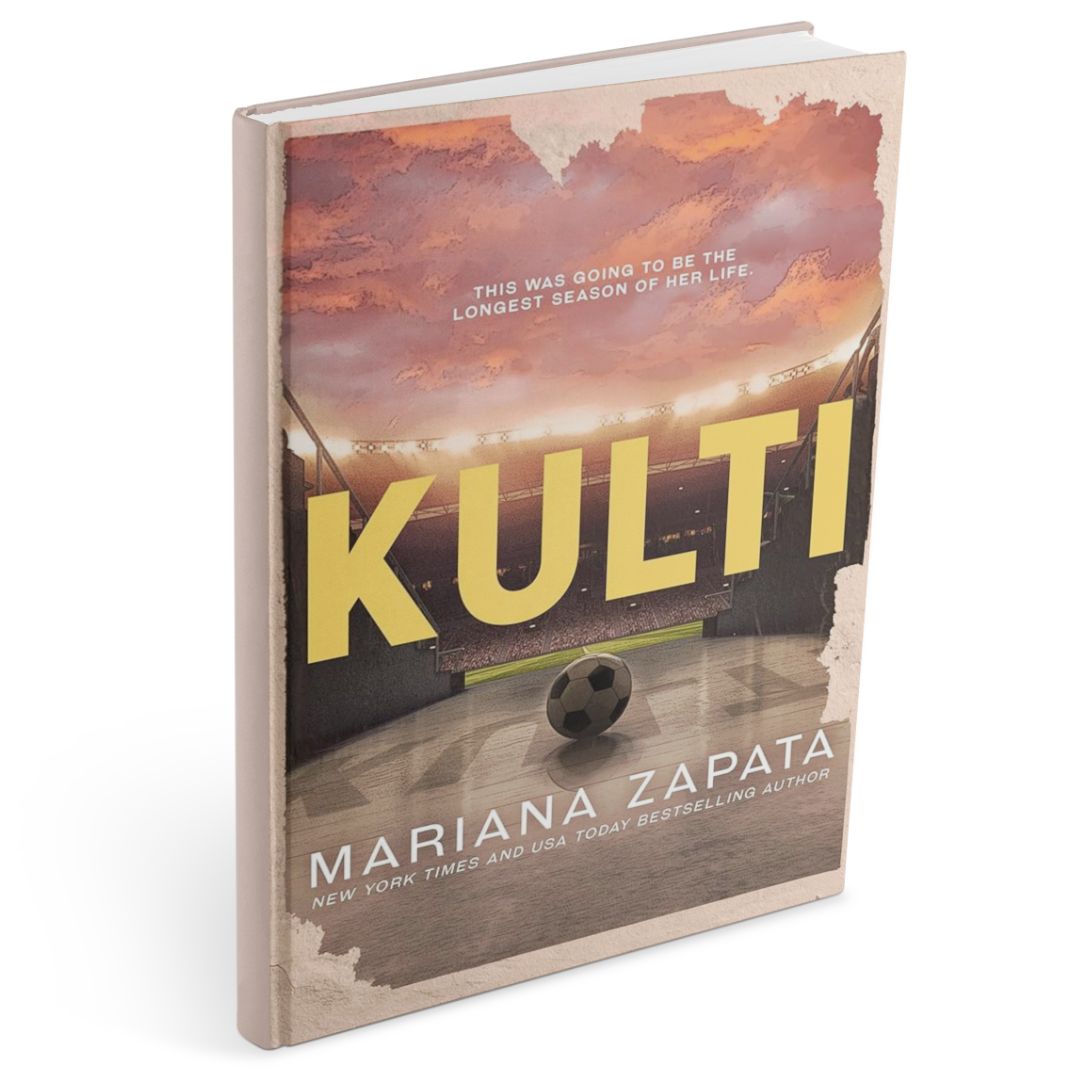
A slow-burn contemporary romance between a 27-year-old female football (sorry, soccer) player and her legendary ex-pro coach who’s 12 years older. Kulti perfectly highlights the older man-younger woman dynamic.
Sal, the heroine, starts out starstruck (he’s her idol and coach – power imbalance alert!) but eventually challenges him and earns his respect.
The age gap tension is palpable: he’s gruff and world-weary, she’s fiery and idealistic. Watching them find common ground and fall in love slowly (Zapata is known for slow-burn) is incredibly rewarding.
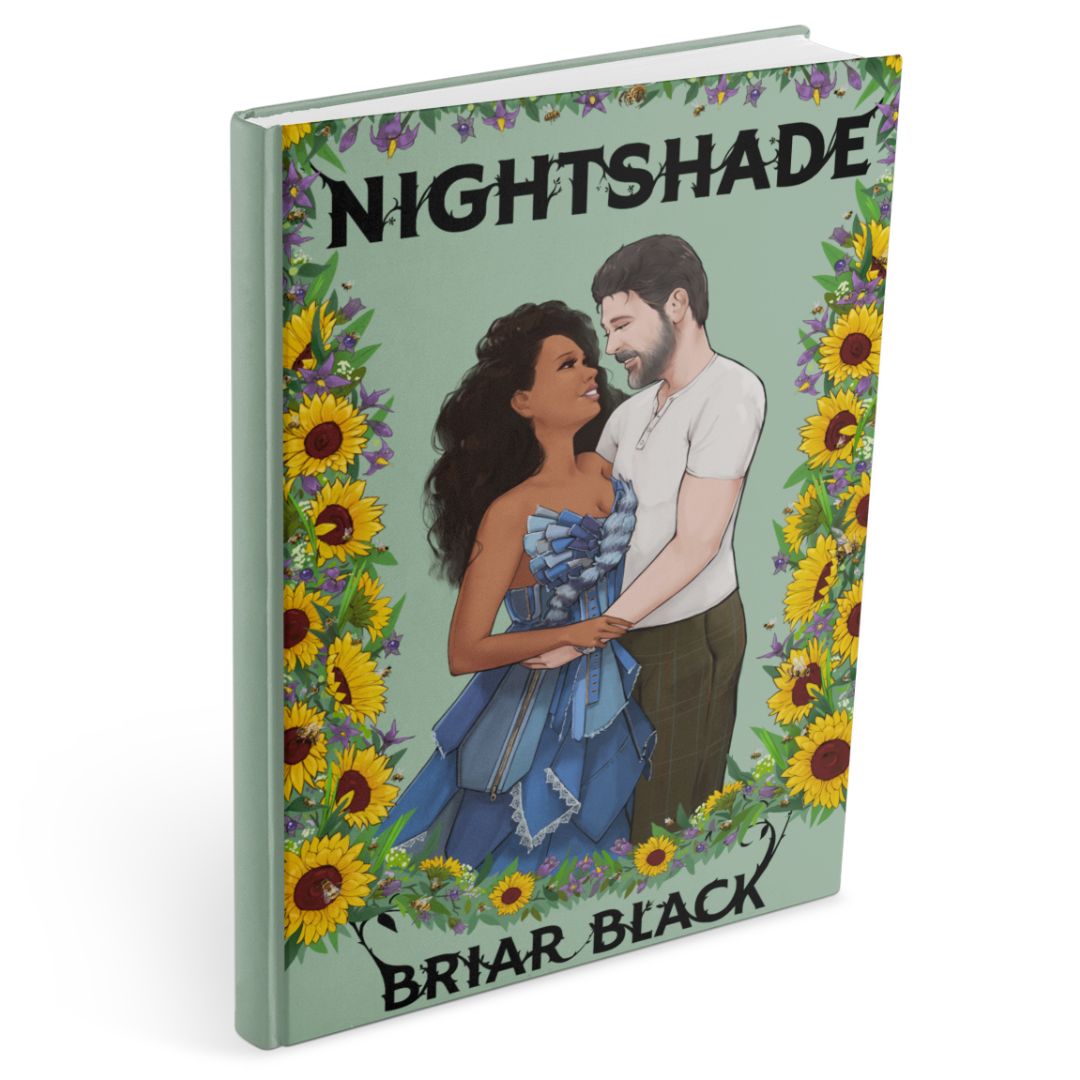
Honourable mentions: Don’t Kiss the Bride (Carian Cole), Praise (Sara Cate), and Part of Your World (Abby Jimenez), The Deep End (Ali Hazelwood), Nero (S.J. Tilly), His Good Girl (Eve Newton), and Don’t Call Me Daddy (Jeré Anthony). And, yes, shameless self-plug: my own Nightshade, an age gap, forbidden-love romantic suspense where Suzie returns to Ashfordby to unravel the mystery of Hugh Delaware’s dying bees and accidentally falls for the (very married) heir to a crumbling country estate.
The Age Gap Trope Shows Romance Is Limitless
At the end of the day, the age gap trope endures for the same reason all great romance tropes do: it takes something familiar and adds friction, tension, and emotional risk. It asks harder questions of its characters, and in doing so, offers readers a more intense payoff.
Age gap romances work because they magnify dynamics that exist in every relationship. Power. Vulnerability. Desire. Fear. The risk of being seen too clearly by someone who knows exactly what that might cost you. When two people at different stages of life collide, those dynamics are sharper, messier, and far harder to ignore.
For readers, that’s the appeal. We’re not just watching people fall in love. We’re watching them confront their own assumptions about control, safety, worth, and desire. We’re watching characters choose connection over comfort, and intimacy over self-protection.
And while age gap romance often comes wrapped in taboo, fantasy, or forbidden tension, its emotional core is surprisingly universal. It’s about being changed by love. About discovering that connection doesn’t always arrive on schedule, or in a socially convenient package. About realising that the person who sees you most clearly might not be the one you expected.
So whether you’re drawn to slow-burn tension, protective dynamics, power imbalances that collapse into partnership, or the sheer audacity of loving someone you’re not supposed to, the age gap trope has something to offer. It reminds us that love doesn’t care about neat categories or polite timelines.
In romance, as in life, the heart rarely checks the calendar first.








 4.28 Average