

If you’ve read Bane or Eve Was Framed, you’ve already met Suzie—a feisty fashionista turned ecologist, conservationist, and qualified beekeeper. In Nightshade, she returns to her hometown of Ashfordby after a call from her lifelong bestie, Aimee. One of Aimee’s marketing clients is trying to save his crumbling ancestral estate by cultivating something wildly unexpected: tea. And so, Delaware Grange was born
And I set about the daunting task of trying to create a place that felt like a person and carried my story as well as the MC. Yes. I was worldbuilding in romantic suspense. And doing it well is actually quite a bit more complicated than you might think.
Something’s very wrong with Hugh Delaware’s bees, and Suzie’s determined to figure out what, and fix it.
I, on the other hand, was determined to write a novel that was both unputdownable in terms of mystery, suspense, and smouldering forbidden romance, and an ode to the beauty of my home county of Cheshire.
As a writer of romantic suspense, I’m always looking for settings that feel rich, immersive, and full of story potential. The setting can’t just be a backdrop. It has to matter. In Nightshade, that setting is Delaware Grange, a sprawling country estate nestled on the edge of the fictional Cheshire village of Upper Hollow.
It’s the kind of place that crackles with possibility—wild beauty, intriguing mystery, sabotage, the occasional dead body—and maybe, just maybe, a slow-burning romance between Suzie and the maddeningly magnetic (not to mention inconveniently unavailable) Hugh Delaware.
Hilltop to Teacup: Building my World from the Ground Up
Nightshade is the second novel in my Cheshire Set series (the first being Bane). As the name suggests, they’re all set in the English county of Cheshire and, specifically, a fictional town called Ashfordby. Unlike White Deer Park, the country park Aimee runs in each morning and the location of that fateful encounter with Michael Bane (IYKYK!) Delaware Grange isn’t based on any real locations. White Deer Park is loosely inspired by very real places like Marbury Country Park, Tatton Park, and Arley Hall.
Delaware Grange, on the other hand, takes liberties with the local geography on purpose. Tegg’s Nose is probably the closest real-world location you could say it’s based on, and honestly, from a geographical point of view that would be very inaccurate.
I wanted Hugh—a silver fox of a botanist who’s spent his life trying to save his family’s poisoned estate—to have a project that felt wildly ambitious but also just plausible enough to work.
Enter: the tea farm.
It started as a thought experiment. What if someone tried to grow tea in Cheshire, on a scrubby, forgotten patch of hillside no one believed could be productive? What kind of man would take on that challenge? The answer, of course, was Hugh. His family estate had been all but destroyed by an industrial accident that poisoned much of the farmland decades earlier. What remained was a patchwork of unusable fields, stubborn weeds, and a valley where Hugh discovered a microclimate and painstakingly transformed it into a productive tea farm, one terrace at a time.
It’s exactly the kind of crazy, visionary project that would catch Suzie’s eye—and maybe her heart.
Building the Grange
Worldbuilding Delaware Grange meant considering not just geography, but the legacy of a place. I wanted readers to feel the sheer scale of it—how vast and rambling the land is, how it holds layers of history and hidden stories. It’s not all tea terraces and manicured gardens. There are overgrown trails, secret glades, goats that wander far beyond where they’re supposed to, and more than one crumbling outbuilding with a mystery lurking inside.
Chapter Five was the turning point. It follows Suzie as she explores the estate alone for the first time—getting a lay of the land, starting to investigate what environmental factors could be harming the bees, and beginning to suspect that something on this estate is seriously wrong.
Writing it was a delicate balancing act: I wanted readers to see the Grange in all its wild, vivid detail. But I also didn’t want to bog the story down. In the end, I stripped back some of the heavier description in that chapter and scattered it through the novel, allowing the estate to reveal itself piece by piece.
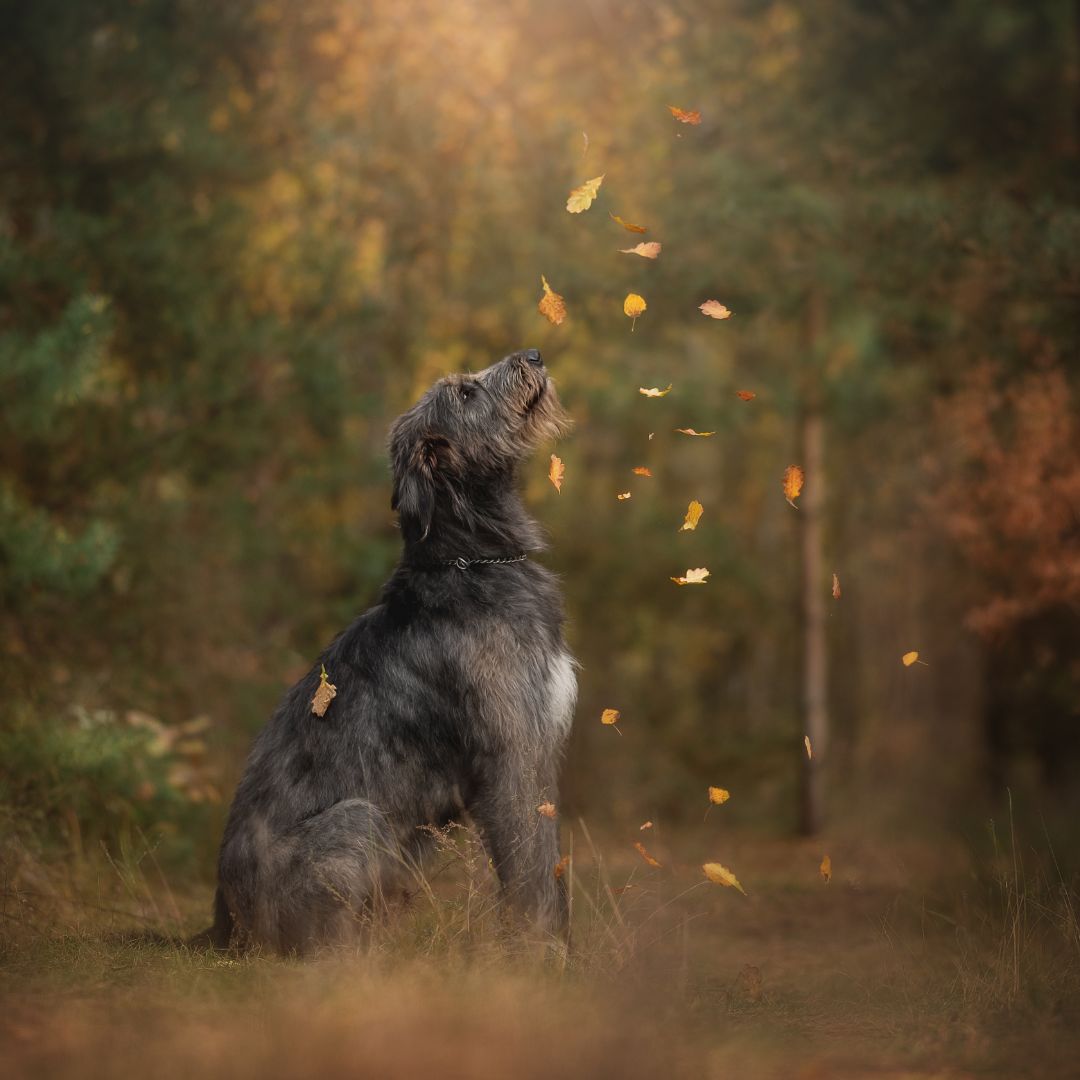
And yes, I owe a huge debt to Pinterest. My Delaware Grange board became a living, breathing part of the worldbuilding process—overflowing with images of moss-covered steps, twisted woodland paths, ivy-choked stone arches, windswept hills, pheasants in flight, and the kind of gates you’re not entirely sure you’re meant to walk through. There are wildflowers, secret glades, glimpses of crumbling grandeur, and more than one suspiciously soulful-looking Irish wolfhound. These images didn’t just help me visualise the estate—they gave it personality, history, and soul.
Worldbuilding in Romantic Suspense: Why Setting Matters
Worldbuilding in romantic suspense isn’t just about geography—it’s about atmosphere, stakes, and emotional resonance. The setting needs to do more than frame the plot; it has to elevate the tension, deepen the romance, and feed the mystery. With Nightshade, I knew Delaware Grange couldn’t be a passive backdrop. It had to feel alive. Tangled in brambles, echoing with history, and simmering with secrets, the estate becomes the canvas for every forbidden glance and whispered suspicion.
Every crumbling stone wall, every hidden path or hazy sunrise across the hills, feeds the story’s tone. The isolation amplifies Suzie’s loneliness. The beauty masks darker undercurrents. And the sheer, unpredictable wildness of the Grange mirrors the risks both Suzie and Hugh must take—to uncover the truth, and to confront what they really want.
If you’re building a world for romantic suspense, don’t just ask what your setting looks like—ask what it feels like. What does it demand from your characters? What secrets does it keep? Whether you’re writing manor house murder or windswept moorland intrigue, the most evocative settings are the ones that push your characters to their limits. Make the location complicit in the story. Let it seduce, unsettle, and reveal. That’s where setting stops being scenery and starts becoming story.
That’s part of why I named the series The Cheshire Set. Yes, it’s literally set in Cheshire, but it’s also a playful nod to the term used for the region’s real-life elite—the popstars, footballers, and their glamorous spouses, the high-end business owners and socialites who’ve long made towns like Alderley Edge and Wilmslow famous. My version is earthier, older, and far more shadowed. The deeper inspiration came from the stories that shaped me—novels like The Secret Garden, Anne of Green Gables, Wuthering Heights, Rebecca, and The Little White Horse. Books where place is more than setting.
It’s presence. It’s mood.
It’s memory and myth and something a little wild, woven so tightly through the story that removing it would unravel everything.
A Character in Its Own Right
In many ways, Delaware Grange is a character.
It’s not static. It’s a place that’s constantly evolving, reshaping itself around the ambitions (and failures) of the Delaware family. It reflects Hugh’s resilience, his quiet genius, and his desperation to protect a legacy he’s not sure he believes in anymore.
But it also mirrors Suzie’s journey. She’s not just back in Ashfordby to consult on dying bees—she’s recently been forced to confront her past, and it spun her for a loop. She’s a successful eco-influencer, and that’s allowed her to retrain and follow her dreams. But now she’s at the end of her studies, and she’s feeling quite adrift in the world.
And she’s lonely. Seeking… something far greater than anything she’s been able to contemplate allowing herself to want before.
Delaware Grange, with its wild contradictions—its beauty and decay, its buried secrets and slight hint of wild magic—becomes the perfect setting for that kind of story.
Want a Peek Inside?
Nightshade is out June 21st, and I can’t wait for you to step into this world. If you’ve ever wanted to wander a fictional Cheshire estate where love blooms where it really shouldn’t, secrets rot, and bees flit about through suspicious plants and impossible feats of botany, this one’s for you.
You can preorder Nightshade here, or (if you’re the kind of reader who likes to get in early!) sign up for an ARC here.
Until then—happy reading, and remember: just because it’s beautiful doesn’t mean it’s not going to wreck you in the best possible way.


