Trigger warnings have become a prominent feature of modern novels, particularly dark romance. If you’re new to the dark romance genre or part of the bookish community, you’ve likely seen lengthy lists of content warnings at the start of a book, in its online blurb, or in posts on TikTok or the ‘Gram. Understanding dark romance trigger warnings isn’t as basic as it seems. They’ve risen to prominence for a reason, are crucial in dark romance, and allow you to safeguard your reading experience.
Once you click with the common trigger warnings (and even the weirder ones), you’ll start to understand why some readers treat page-long lists of trigger warnings as an instant buy now incentive 😂
Dark romance novels are an absolute joy. Once I started reading them, I was hardcore hooked very quickly. But they do tackle some deep, dark, problematic, and genuinely traumatising subjects. So if your current strategy is to shrug at the trigger warnings and jump right in, you’re either a lot more secure in your mental health than most of us, or you’re risking damaging yourself – and ruining a really great genre.
What Are Trigger Warnings in Dark Romance?
In simple terms, trigger warnings (or content warnings) are alerts about potentially disturbing content in a book. They flag topics that could provoke a strong negative emotional response in readers, particularly if they have past trauma related to those topics.
Triggers often include things like sexual assault, abuse, or self-harm. If you’ve experienced these things in real life, reading about them when you’re unprepared for it, can cause flashbacks or panic. Content warnings is a broader term for any sensitive material (like graphic violence, explicit sex, etc.) that readers might want to know about before diving in. Not because it will necessarily be triggering for them, but because it’s content anyone might find disturbing, and being made aware ahead of time allows you to choose whether you want to read about it.
It’s worth noting, the term ‘triggering’ has a very specific psychological meaning. It gets massively overused in modern parlance for anything people find annoying, or unsettling. That’s not what we’re talking about here. Trigger warnings in dark romance specifically refer to topics that can genuinely trigger a visceral psychological trauma response in anyone sensitive to the subject.
Content warnings, on the other hand, are there for everyone in the same way films carry age classifications and indications at the start that there will be sex, violence, strong language, drug use, etc.
Reality, however, is that the bookish community tends to use ‘trigger warnings’ and ‘content warnings’ interchangeably because the goal is the same: to give readers a heads-up about intense or controversial content.
Most dark romance books will include a brief trigger warning note either in the front matter (before Chapter 1) and/or in the online description. It might be as simple as a one-line disclaimer, or it could be an entire page listing specific issues.
A page-long list of triggers isn’t unheard of. It’s not unusual to pick up a dark romance novel and wonder, once you’ve finally got to the end of the trigger warnings, if you’re going to need therapy by the end.
And if it will be worth it.
Good dark romance is worth it, but only if you’re mentally prepped before you go in.
Bad novels? Well, there’s not a lot you can do about shitty writing, but it’s not the trigger warnings or even the content that make it a bad book.
Typically, the warning will say something like: “This story contains graphic violence, non-consensual situations, and other content that may be triggering to some readers. Reader discretion is advised.”
In darker indie romances, authors often provide very detailed warnings out of care for their readers.
It’s worth noting that these warnings don’t usually spoil the plot. A good trigger warning alerts you to the nature of upsetting content without giving away key plot twists. An author might warn that the book involves “child abuse and suicide themes” but not reveal which characters are involved or how it ends. This way the plot remains intact while readers still get the info they need.
Some authors who were initially wary of warnings (worried they’d act as spoilers) have come to realise that mentioning a sensitive topic in the warnings doesn’t actually ruin the story – it just ensures the right audience finds the book. The plot and character outcomes stay safe, but readers who can’t handle that subject know to steer clear.

The Rise of Trigger Warnings in Romance Fiction
Trigger warnings aren’t unique to the bookish community. They’re a psychological term that first started appearing in the early 2000s, mainly in the academic community and on online forums. In that context, a ‘trigger warning’ was a term relating to PTSD and trauma recovery. Mental health awareness climbed steeply over the next decade, and by the mid-2010s, trigger warnings had become a hot topic, particularly on social media and in student circles.
Inevitably, that cultural shift soon trickled into the book world. I’ve never been one for fanfiction (no hate, just not for me), but several of my friends are very active in fanfiction communities and they were the ones who first told me about tagging stories with warnings, particularly for subjects like rape, non-con, and underage content.
Trigger warnings didn’t seep into traditional publishing until later. Explicit content warnings were rare.
It went unsaid that readers were reading at their own risk.
When the indie romance boom took off, and the #MeToo era kicked in. There was a huge amount of attention drawn to problematic tropes in romantic stories, and the need to be more mindful about addressing or flagging coercive or violent themes. By the late 2010s, readers were actively speaking up about wanting content warnings.
There were heated debates in author groups about the issue of content warnings, even until very recently. But reader feedback shifted, and authors had to listen.
How Dark Romance Contributed To The Shift Towards Trigger Warnings
The rise of dark romance has played a significant role here, because a lot of authors (myself included) had never experienced a hard pass topic in a novel before.
Something that actually triggered us, as readers, and made us think “Well, fuck, if I’d known that was in here I’d never have bought it.”
In other words, trigger warnings aren’t just about trauma; they help readers filter out content they personally don’t want in their romance. Conversely, that allows readers to pick up novels they wouldn’t otherwise have passed on, thinking they weren’t going to be interesting enough, or (in the case of romance and dark romance specifically) cater to their kinks.
These days, trigger warnings are increasingly standard, especially in dark romance and other edgy (pun intended) subgenres. This shift is partly thanks to greater mental health awareness and partly due to reader-driven platforms. Communities on Goodreads, BookTok, and specialised databases have sprung up to catalogue book triggers for those who need them.
In short: trigger warnings ‘became a thing’ in the last decade or two, as readers pushed for more transparency and authors gradually embraced them as an act of goodwill. The result has been a growing use of both trigger and content warnings as a norm rather than an exception. Even publishing professionals now discuss content warnings openly, with the Alliance of Independent Authors describing them as an act of kindness that respects readers’ boundaries and acknowledges that the same content can affect different readers in very different ways.

Why Trigger Warnings Are Crucial in Dark Romance
Dark romance, by definition, explores the darkest edges of love, desire, and power. These books don’t shy away from taboo, controversy, or violence. They actively lean in. Kidnapping, dubious consent, outright non-consensual sex, extreme kinks, abuse, torture, and psychological manipulation are all common territory.
That’s part of the appeal.
It’s also exactly why trigger warnings matter.
A ‘dark romance’ label on its own isn’t enough. One book might be dark because it’s kink-heavy and morally messy. Another might be dark because it contains graphic sexual violence or prolonged torture scenes.
Those are very different reading experiences, and pretending otherwise does readers a disservice. Trigger warnings, particularly in dark romance, are about reader safety and comfort above all else.
Imagine picking up a dark romance expecting a gritty mafia love story and instead walking straight into an unflagged scene of sexual assault or graphic violence. Some readers will shrug and keep going. Others will be blindsided, deeply distressed, or re-triggered by content they weren’t mentally prepared to encounter.
Trigger warnings don’t exist to sanitise our dark romance, but to give readers the chance to consent to what they’re about to read.
You’re not being told what you can or can’t read. You’re being given enough information to decide whether now is the right time for that particular story, or whether it’s one you’re better off skipping entirely.
This is especially important in dark romance because the genre routinely intersects with real-world trauma. Sexual violence, coercion, abuse, addiction, and self-harm aren’t abstract concepts for many readers.
They’re lived experiences.
Encountering those topics unexpectedly, especially in an emotionally immersive genre like romance, can provoke genuine psychological distress.
Some of the most commonly flagged trigger warnings in dark romance include:
- Sexual assault and rape, including non-consensual or forced sexual encounters and consensual non-consent (CNC) dynamics
- Domestic abuse and intimate partner violence, whether central to the plot or part of a character’s backstory
- Child abuse, incest, or harm to children
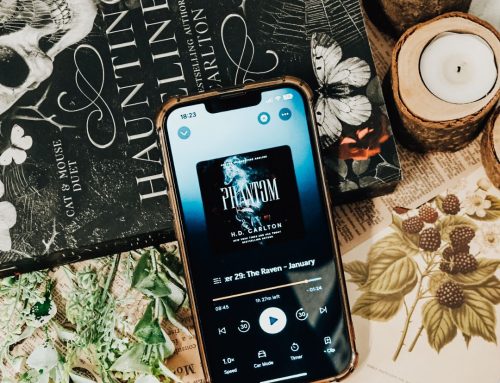
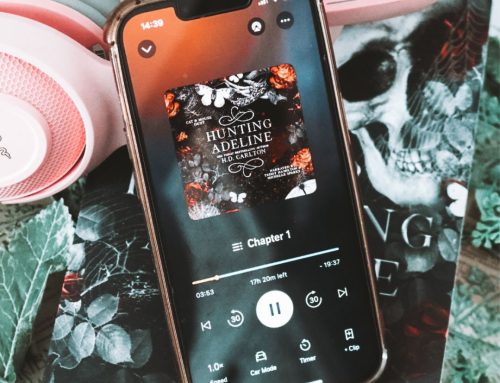
- Human trafficking and kidnapping (the notorious examples being Haunting Adeline and Hunting Adeline which, side bar, were my baptism in the dark romance genre…actually, now that I think about it those two check off at least half of this list. What can I say? I like to just dive right into the deep end!)
- Graphic violence, torture, and gore
- Self-harm and suicide
- Substance abuse and addiction
- Animal abuse or on-page animal death
Beyond these, many authors also flag themes like miscarriage, pregnancy trauma, and fertility issues (I did this myself in Nightshade), war violence, death of major characters, extreme psychological abuse, or body horror.
The rule of thumb is simple: if a topic could reasonably cause distress to someone with lived trauma, it deserves a warning.
Not every dark romance contains all of these elements, and that’s exactly the point. Trigger warnings break down how a book is dark. They answer the question readers are actually asking: dark in what way?
Is the darkness erotic, violent, psychological, or all three?
Knowing that distinction allows readers to make informed choices instead of gambling with their mental health.
Trigger warnings aren’t just about avoiding books, either. They also help readers find books that align with their interests. Plenty of dark romance readers actively seek out certain themes or kinks and will pass over a book that doesn’t go far enough.
Transparency works both ways.
Dark romance trigger warnings also acknowledge something important that often gets ignored: headspace matters.
You might be perfectly fine reading a brutal, emotionally devastating story when you’re in a strong place mentally. And absolutely not okay encountering the same content when you’re already struggling.
Warnings give readers control over timing, not just content.
From the author side, providing trigger warnings is simply part of writing responsibly in a genre built on pushing boundaries. Dark romance authors know they’re dealing with volatile material. Including a warning page is a quiet but clear message to readers: this book goes hard; take care of yourself while reading it.
I’m halfway through writing a Romantic Suspense series, not Dark Romance (though That Boy has edged it closer to Dark Romance territory). You’ll still find trigger warnings at the front of all my books.
Good dark romance (and romance in general) doesn’t lose anything by being transparent. If anything, it builds trust. And if a trigger warning helps even one reader avoid a spiral they weren’t prepared for, then it’s doing exactly what it’s meant to do.

Check The Warnings, Know Your Triggers
Reading dark romance without checking the trigger warnings is a gamble. You might be fine. Or you might walk straight into something you weren’t remotely prepared for. If you know you have sensitivities, or you’re new to the genre, those warnings aren’t optional reading.
This comes down to self-awareness.
Everyone’s no-go topics are different. There’s no correct set of triggers to have, and no prize for pushing through content that damages your mental health. If something consistently affects you badly, that’s reason enough to avoid it.
Understanding dark romance trigger warnings is all about control.
They let you decide whether a book is right for you right now, whether it’s one to save for later, or whether it’s a hard no altogether. Skipping, skimming, or DNF’ing a book because of content isn’t weakness. It’s exactly what the warnings are there for.
Even if you love very dark romance, going in blind is unnecessary. Trigger warnings are a temperature check. You can still dive in, but you’re doing it with your eyes open.
Know yourself. Check the warnings. And don’t be afraid to put a book down if it crosses a line.
The genre isn’t going anywhere.
When A Page-Long Warning Becomes A Selling Point
One point to note. Not all readers use trigger warnings as a cautionary measure. In some parts of the dark romance community, they’ve become almost a badge of honour or a dare. There’s a running joke among dark romance enthusiasts: a page-long list of trigger warnings is an instant buy now.
A ridiculously extensive trigger list can actually attract certain readers, signalling that the book will be an ultra-dark, wild ride. It’s a tongue-in-cheek attitude reflected in memes and merch – I have a popsocket and more than a few bookmarks “You had me at trigger warnings!”.
It might sound odd that warnings meant to ‘scare readers off’ actually entice people, but it makes sense when you consider the audience. A strong trigger warning can drive up interest in genres where the audience is specifically looking for dark or disturbing content.
At this point, trigger warnings are a selling point for a lot of dark romance readers. Some pride themselves on tolerating or enjoying extremes that would send others running. Others just have very specific tastes and love the fact it’s now really easy to find books that cater to their kinks.
In these circles, the warnings are reverse psychology: the more outrageous the content sounds, the more intrigued we are. The worse the warnings, the more likely we are to say “Sign me up!”
It’s why I read Haunting Adeline and fell down the dark romance rabbit hole in the first place.
Morbid curiosity.
On one hand, it shows that trigger warnings are not about censorship or scaring people away. If anything, they often pique curiosity and can even boost sales among fans of the genre. There’s no better publicity in dark romance than people saying “this book is so dark it needs two pages of trigger warnings”. It guarantees the target audience will at least take a look!
On the other hand, the fact that these warnings generate buzz reinforces their value: they clearly communicate the book’s intensity. The readers who want it will come because of them, and those who don’t will stay away. In both cases, the warning did its job: matching the book with the right readers.
@unhingeddarkromance Would you read a dark romance book with this many triggers? #darkromancereads #stalkerromance #gigistyx #bookfyp #triggerhappyhavoc #bookrecommendations📚❣️ ♬ original sound - Mercedes | TT Shop + Books
Dark Romance Books With Extensive Trigger Warnings
There are some novels widely read in the dark romance community that notoriously come with a lengthy list of content warnings. They exemplify the range of intense themes, from kidnapping, torture, and trafficking to non-consensual sex and extreme kinks, that define the darkest corners of the romance genre. If you’re still unsure how to handle these things, taking a look at some of the big ones can help you understand dark romance trigger warnings, and how to use them to enhance your reading experience.
Haunting Adeline by H.D. Carlton
Trigger Warnings: Sexual assault; graphic rape; human trafficking and sex slavery; graphic violence and gore; grooming; physical and mental abuse; severe PTSD; kidnapping; stalking; psychological torture; explicit non-consensual sexual situations.
A best-selling dark stalker romance that follows a writer who moves into her ancestral home, only to discover she has attracted a relentless stalker. As their twisted cat-and-mouse ‘relationship’ unfolds, the story delves into vigilante justice and dangerous obsessions amid a backdrop of murder and trafficking. Themes of power, fear, and dubious consent are explored in extremely graphic detail, making this duet a frequently cautioned read for its intensity.
I’ve mentioned this one a few times, largely because it was the first real dark romance novel I’d ever read, and because it’s been such a big deal in the book community. The Cat and Mouse Duet was briefly banned on Amazon due to the content (though it was largely the antisemitic nature of some of the content that caused the temporary restrictions as far as I can tell). Even so, these books were (and by many still are) considered so extreme it sparked huge conversations and interest in the genre.
Den of Vipers by K.A. Knight
Trigger Warnings: Rape and sexual assault; child abuse; alcoholism (parental); self-harm; blood play and extreme gore; graphic mutilation; recounted deaths of family (cancer, suicide, overdose); graphic murder and attempted murder; graphic torture; gun and knife violence; physical assault; arson; kidnapping & captivity; car accident; organized crime (mafia).
A notorious reverse-harem mafia romance in which a young woman is sold by her father to four brutal crime lords known as the Vipers. She becomes their captive, but she refuses to be a meek victim. The novel is infamous for its extremely violent and explicit content, including a highly toxic dynamic with scenes of torture, blood-play, and non-consensual brutality, pushing boundaries even by dark romance standards.
Captive in the Dark by C.J. Roberts
Trigger Warnings: Kidnapping and captivity; human trafficking (sex slavery); sexual assault and rape; non-consensual sexual coercion; physical violence; psychological trauma and PTSD.
The first of the Dark Duet series, this cult-favourite explores the Stockholm Syndrome dynamic between a young woman and the man who kidnaps her. The heroine is torn from safety and held hostage by a captor haunted by his own traumatic past, as he plans to train and sell her as part of a revenge scheme. Their relationship tests the boundaries between fear and desire, guilt and redemption. This one requires strong caution, as it graphically depicts sexual violence and psychological manipulation while blurring the line between love and control.
The Ritual by Shantel Tessier
Trigger Warnings: Arranged/forced relationship; sex slavery; attempted rape; dubious consent (including somnophilia and rape-play); improper BDSM practices; drugging (including non-consensual birth control tampering); depiction of a corpse; consensual branding; genital mutilation; murder; torture; gun violence; knife violence; physical assault; attempted drowning; cult rituals; stalking and non-consensual surveillance.
A dark academia romance set at Barrington University, home to the secret society of the Lords – an elite brotherhood requiring payment in blood, as each member receives a ‘chosen’ woman in their senior year. When Lord Ryat claims innocent Blakely as his prize, she’s pulled into an ultra-violent world of cult-like rituals and depraved power games. Expect an extremely kinky, hierarchical power dynamic with unsafe BDSM elements and little tenderness. This one’s so intense even seasoned dark romance readers often emphasise its trigger warning list for graphic sexual violence and cruelty.
@tierney.reads Sicko by Amo Jones #booktok #book #books #bookworm #darkromance #darkromancebooks #taboobooks #bookish #bookishthoughts #bookishhumor #bookishtiktok #bookrecommendations #bookrecs #bookrec #reading #readinglist #tbr #romancebooks #romancebooktok #bookshelf #bookstan #fyp #foryou #fypシ #foryoupage #amojones #sicko ♬ original sound - Tierney 📚
Untouchable by Sam Mariano
Trigger Warnings: Slut-shaming and bullying; explicit sexual assault; on-page rape (including of an underage character); threats of rape; alcohol use; drugging (non-consensual intoxication).
Really not for the faint-hearted, Untouchable is a highly controversial high-school bully romance that begins with a disturbing assault by the male lead. After the heroine, Zoey, reports a football player for harassment, she attracts the wrath of Carter Mahoney, the star quarterback in their small town in Texas. He’s the typical jock golden-boy, but beneath the façade he’s a predatory monster. Carter’s obsessive and coercive fixation on Zoey escalates into a toxic cat-and-mouse relationship.
In many ways I found this one rougher than Haunting Adeline. It’s probably on a par with Hunting Adeline for most readers, but personally I found it tougher as the sexual assault is as harsh as in Hunting, but comes from the ‘love interest’, and the characters are much younger. This one unflinchingly portrays manipulation and non-consensual sex in a school setting, read with extreme caution. There’s a lot of shock value here, and whether the romantic redemption arc compensates for it is very much going to depend on you.
Sicko by Amo Jones
Trigger Warnings: Rape and sexual abuse; murder and torture; human trafficking; child sexual abuse; drug use; graphic violence; death and grief.
A dark biker romance that centres on a taboo foster-sibling relationship set in an outlaw motorcycle club. Jade’s protective foster brother, Royce, vanished when she was sixteen. In his absence, Jade’s world becomes nothing but cruelty and pain. This goes on for years, until he reappears as the Wolf Pack’s formidable MC, known only as ‘Sicko’. Their reunion dredges up past abuse and forbidden longing, entangling Jade in a web of gang rivalry, betrayal, and revenge. If you didn’t already pick up on it, this one’s got extreme triggers, including incestuous undertones, sexual violence by third parties, and graphic retribution. It’s a highly disturbing but equally popular dark romance.
You Get A Better Reading Experience When You Understand Dark Romance Trigger Warnings
Trigger warnings exist to serve readers, not to limit stories. In dark romance they are even more important, and valuable to us as readers. They help you avoid harmful content, and find fun content you’ll love that aligns with your tastes.
Trigger warnings are simply self-awareness and self-care.
Dark romance is intense by design, and engaging with it responsibly means knowing your limits, your headspace, and when to step back.
Trigger warnings don’t exist to spoil the experience. They give you control over it. And in a genre built on pushing boundaries, that control is what makes the darkness enjoyable rather than damaging.
Check the warnings. Know yourself. Happy reading!
Dark Romance Trigger Warnings List
- Non-consensual sexual content – explicit rape, sexual assault, forced sex, dubious consent (dub-con), consensual non-consent (CNC), and somnophilia.
- Sexual assault by third parties – on-page or off-page assaults not involving the main romantic pairing.
- Kidnapping, captivity, and confinement – abduction, imprisonment, prolonged captivity, hostage situations.
- Human trafficking and sex slavery – trafficking rings, forced prostitution, sexual exploitation.
- Graphic violence and murder – explicit physical violence, bloodshed, dismemberment, execution scenes.
- Torture and extreme cruelty – physical, psychological, or sexual torture, often prolonged or detailed.
- Domestic abuse and intimate-partner violence – physical, emotional, or psychological abuse within relationships.
- Bullying and humiliation – degradation, slut-shaming, public humiliation, coercive power dynamics.
- Child abuse and neglect – physical, emotional, or sexual abuse of minors.
- Incest and taboo familial relationships – biological or non-biological familial sexual relationships.
- Underage sexual content – sexual assault or sexual activity involving minors.
- Stalking and obsessive behaviour – surveillance, voyeurism, fixation, possessive or predatory obsession.
- Psychological manipulation and grooming – gaslighting, coercion, conditioning, mind control, grooming behaviour.
- Stockholm syndrome dynamics – emotional attachment between captor and captive.
- Substance abuse – drug addiction, alcoholism, forced intoxication, overdoses, withdrawal.
- Self-harm – cutting, burning, intentional injury, self-destructive behaviour.
- Suicidal ideation or suicide attempts – on-page or referenced suicide, ideation, or completed suicide.
- Mental health crises – untreated mental illness, panic attacks, PTSD episodes, eating disorders.
- Pregnancy-related trauma – miscarriage, stillbirth, infertility, forced pregnancy, reproductive coercion.
- Birth-control tampering – non-consensual interference with contraception.
- Graphic pregnancy or childbirth scenes – traumatic or violent birth-related content.
- Animal abuse or animal death – harm to pets or animals, including graphic scenes.
- BDSM and extreme kink – breath play, erotic asphyxiation, blood play, knife play, impact play, degradation, humiliation, primal play, age play.
- Unsafe BDSM practices – lack of consent, aftercare, or safety protocols.
- Forced body modification – branding, mutilation, piercings, tattoos inflicted without consent.
- Body horror – graphic injury, mutilation, grotesque physical transformation.
- Cannibalism – implied or explicit consumption of human flesh.
- Organised crime and gang violence – mafia, cartel, biker gangs, criminal enterprises.
- Cult activity and ritual abuse – cult indoctrination, ritual violence, religious extremism.
- Religious trauma – abuse tied to religion, blasphemy themes, spiritual coercion.
- Death and grief – death of parents, siblings, partners, or children; intense grief portrayal.
- Medical trauma – forced medical procedures, amateur surgery, experimentation.



 4.28 Average